Reviewed · GUIDED
Muscat: Guided Landmarks Tour
Muscat’s finest sights fit together neatly on this guided outing, from the vast Sultan Qaboos Grand Mosque to the old harbor forts above Mutrah. I especially like the mix of grand modern buildings and Oman’s older trading quarters, plus the convenience of pickup anywhere in Muscat.
I also like that guides such as Mohammed, Juma, Faisal, Mohsin, and Nabil have been praised for answering questions, taking photos, sharing dates and coffee, and adjusting the pace. The main catch is timing: the Royal Opera House ticket costs extra, and the tour can run beyond five hours if you add a museum or take your time in the souq.
Key points to know
- Start early for the Grand Mosque: Visiting hours are 8:00 to 11:00 AM, except Friday.
- The Opera House costs extra: Entry is not included and is listed at $8.
- Mutrah brings the local texture: The fish market, Corniche, and souq provide a useful contrast to Muscat’s formal monuments.
- The guide is central to the experience: Mohammed, Juma, Faisal, Mohsin, Nabil, and others are praised for warm service and flexible planning.
- Friday is a poor choice: The Grand Mosque, Opera House, and many museums are closed.
- Pickup is unusually useful: You can be collected from a hotel, airport, or port anywhere within Muscat.
Why this five-hour route works in Muscat
Muscat is spread along the coast, with modern districts, old harbor quarters, royal buildings, and mountain-backed roads separated by distance. You can visit the main sights independently, but arranging transport between them is less simple than the map suggests.
This tour solves that problem with a car and a local guide. You are not just dropped at monuments and left to guess what you are seeing. The route gives you background on Omani culture, the city’s rulers, Portuguese influence, religious customs, and everyday life.
The listed duration is five hours, though your day may last longer if you choose a museum, linger in Mutrah Souq, or stop for lunch. One outing took about six hours after the group added a museum and spent extra time at the sights. That flexibility is useful, but you should not book a tight airport connection immediately afterward.
The price is $90 per person. That is fair if you are arriving by cruise ship, visiting Muscat for a short stay, or traveling without a rental car. Pickup and drop-off are included, along with water and other beverages. Lunch is optional and costs extra, as do the Opera House and museum tickets.
A few more Muscat trips to weigh up
- Muscat: Wahiba Desert and Wadi Bani Khalid Guided Group Tour
★ 4.8 · 820 reviews - Muscat: Half-Day Sightseeing Essentials Tour and Audio Guide
★ 4.2 · 598 reviews - Muscat: Southern Treasures & Wadi Shab Tour with Audio Guide
★ 4.6 · 286 reviews
Sultan Qaboos Grand Mosque: begin with Muscat’s great showpiece
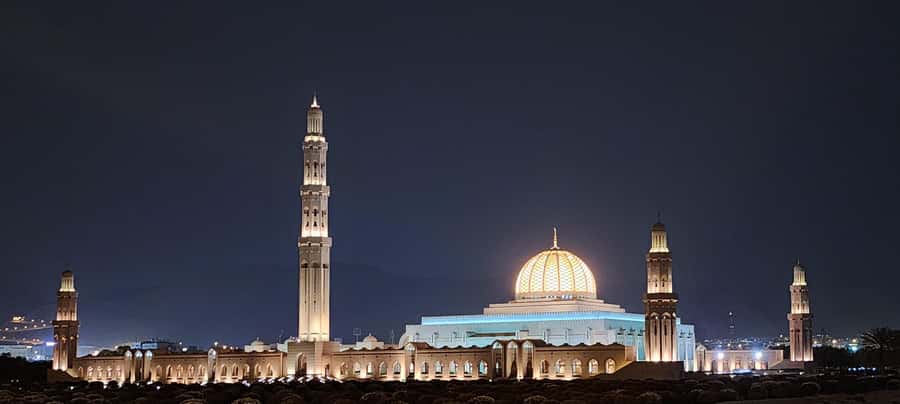
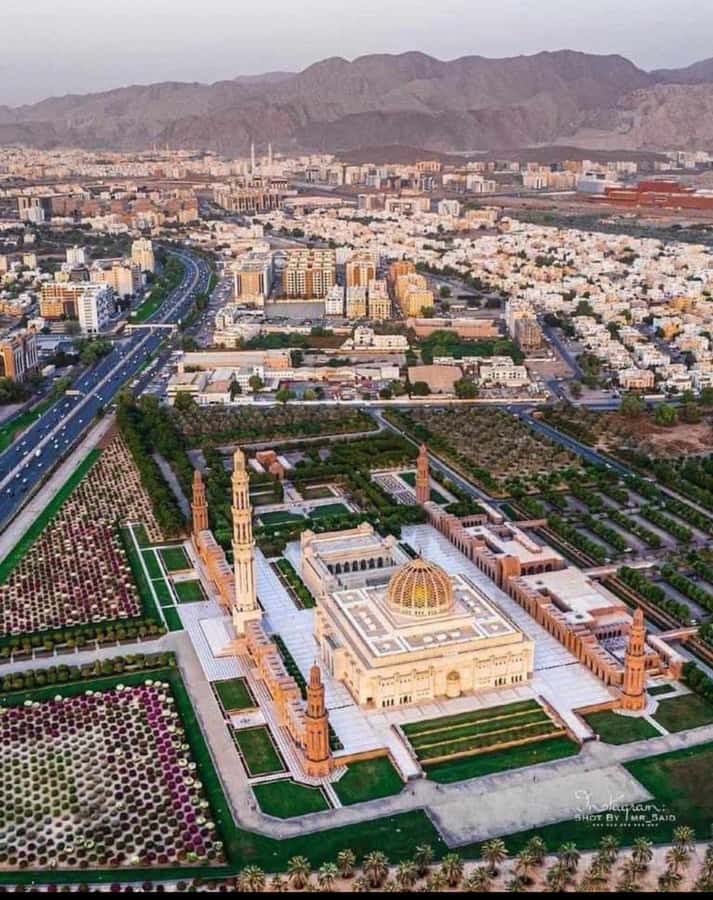
The Sultan Qaboos Grand Mosque is the strongest stop on the route. Allow about 90 minutes for the visit, including walking, guided explanation, and time for photographs.
This is Oman’s largest mosque, and the scale becomes clear as soon as you approach its courtyards and prayer spaces. The design is modern, but the decoration draws on Islamic artistic traditions, giving the building a calm, formal beauty rather than a flashy feel.
Your guide can help explain the building’s religious role and point out details you might otherwise miss. The mosque is also the place where dress rules matter most. Women need long trousers or a long dress, long sleeves, and a scarf. Men need long trousers, while short sleeves are acceptable.
Plan this stop around its opening hours. The Grand Mosque is open to visitors from 8:00 to 11:00 AM, except on Friday. Since it comes first on the standard route, an early pickup is important. If you start too late, the schedule may not work.
The mosque is included in the tour price, which is a real advantage. It is the one sight here where arriving at the wrong time can spoil the day, so confirm the start time when booking.
Royal Oman Opera House and its $8 admission
The Royal Oman Opera House takes about an hour, including the visit and guided sightseeing. From the outside, it is an impressive example of modern Omani design. Inside, its auditorium is known for ornate decoration and careful craftsmanship.
This stop gives the tour a different mood from the mosque. The Grand Mosque expresses religious architecture on a monumental scale, while the Opera House reflects Oman’s modern cultural ambitions. Together, they show how Muscat connects tradition with contemporary public life.
The important practical detail is that the Opera House ticket is not included. Admission is listed at $8. Some visitors have had to wait about 20 minutes for the Opera House tour, so allow a little slack in your schedule.
If you care about interiors and architecture, I would pay the extra fee. If you mainly want city views and exterior photographs, you can ask your guide how much of the visit is possible without purchasing entry. The activity description includes a guided visit, but the ticket remains a separate cost.
Mutrah Fish Market and the Corniche
The stop at the Old Mutrah Fish Market is brief, about 20 minutes. It is intended as a quick look at one part of daily coastal life, not a long market visit.
Conditions can vary by time of day. One outing found the market quite empty, so I would treat it as a short cultural stop rather than a major highlight. If the market is quiet, you still get a sense of Mutrah’s connection to fishing and the sea, but you may prefer to spend more time along the waterfront.
The Mutrah Corniche follows soon afterward, with about 20 minutes for photographs, walking, and sightseeing. This is where Muscat’s harbor setting comes into view. The waterfront links the commercial quarter with the older parts of the city and makes a pleasant transition between the market and souq.
Do not expect a long promenade walk during the standard schedule. The Corniche visit is concise. It works best as a scenic pause, especially if you want photographs of the harbor and surrounding historic buildings.
Same coast and mountains, a completely different day out:
- Muscat: Daymaniat Islands Snorkeling Trip with Brunch
★ 4.7 · 2,317 reviews - From Muscat: Wadi Shab & Bimmah Sinkhole Full-Day Tour
★ 4.8 · 1,862 reviews - Muscat: Wadi Bani Khalid Oasis & Oman Desert Tour
★ 4.8 · 434 reviews - Muscat: Daymaniat Islands Snorkeling Tour with Refreshments
★ 4.7 · 426 reviews
Mutrah Souq: allow time for browsing, not just photos
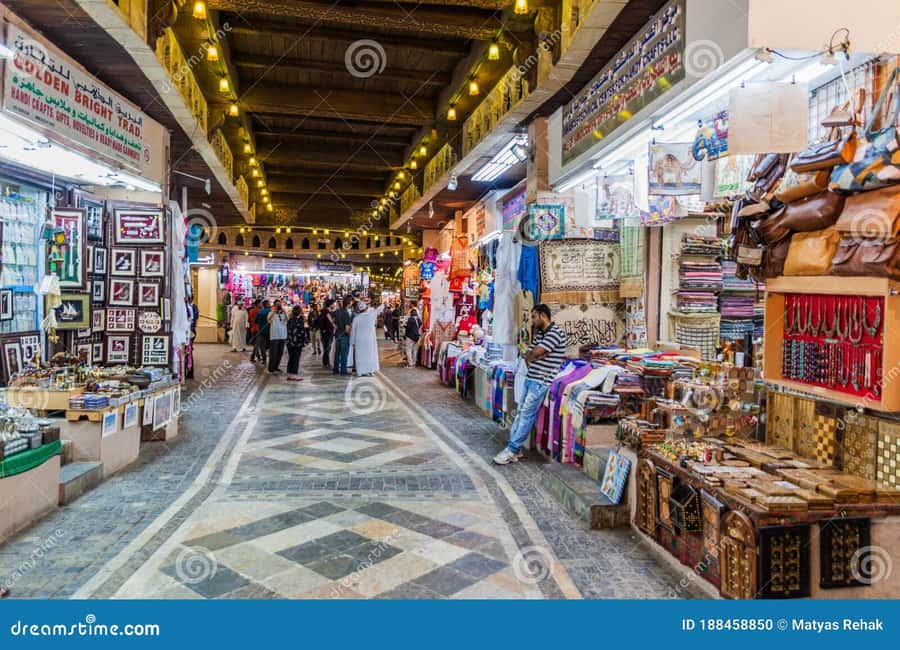
Mutrah Souq is the most hands-on part of the tour. You have around 30 minutes for a guided introduction and time to explore on your own.
The souq is a good place to look for Omani souvenirs and see how the old trading quarter still functions as a shopping area. You might find jewelry, scents, textiles, decorative objects, and other items associated with Oman, though the exact selection and prices vary.
Thirty minutes is enough for a quick look, but it is not generous if you want to compare goods or bargain carefully. Some guides help with bargaining and point out suitable purchases. Juma, in particular, has been praised for helping at the souq, taking photographs, and giving visitors time at each stop.
This is one part of the outing where flexibility matters. If shopping is a priority, tell your guide early. You may need to shorten another stop, skip the optional museum, or extend the tour beyond the listed five hours.
I like that the souq follows the Corniche and fish market. You see the waterfront first, then move into the commercial heart of old Mutrah. That sequence gives the visit more meaning than treating the souq as an isolated shopping stop.
Old Muscat, Al Alam Palace, and the Portuguese forts
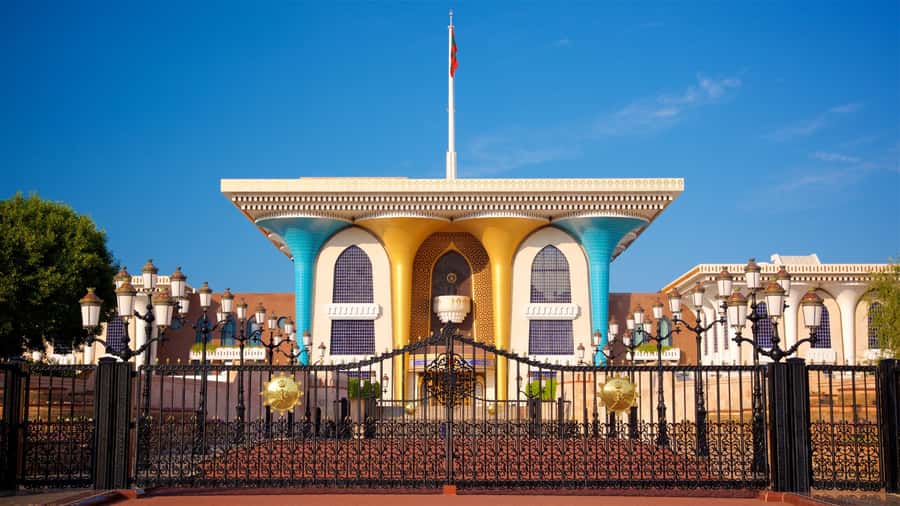
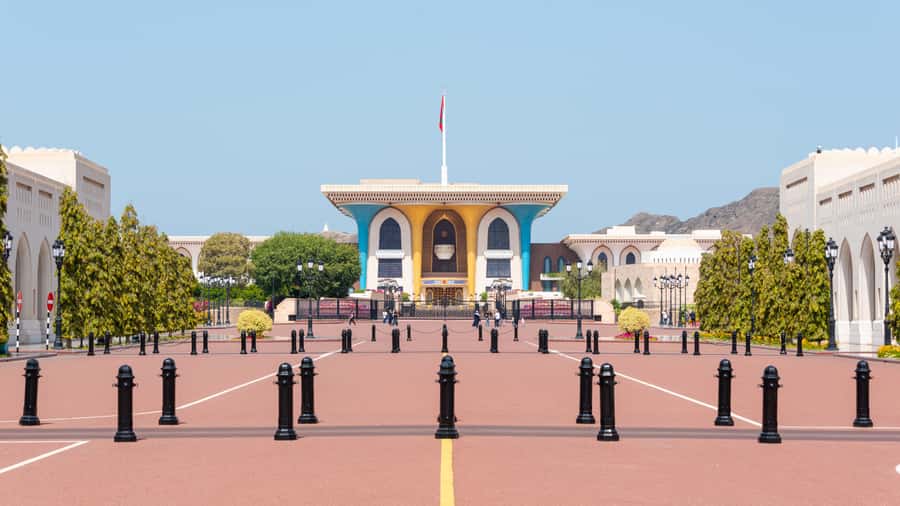
The route continues into Old Muscat, where the city’s political and military past comes into view. You can see Al Alam Palace, the official palace of the Sultan of Oman, along with the Portuguese forts of Al Jalali and Al Mirani.
Al Alam Palace is mainly a photo stop and may be viewed from outside. Its setting and formal facade make it an important part of the Old Muscat visit, but do not expect a palace interior tour.
The forts are also viewed from outside. They sit above the old harbor and connect Muscat with the period when Portuguese forces controlled parts of the Gulf and Indian Ocean trade routes. Their position is the key point: these were defensive structures guarding the harbor, not simply decorative buildings.
The standard timing gives about 30 minutes to this area. That is enough for photographs and a guide’s explanation, but you will not have a long archaeological visit. The value comes from seeing the palace and forts together, then hearing how the harbor shaped Muscat’s development.
Add a museum or lunch if your schedule allows
The National Museum or Al Zubair Museum can be added as an optional stop. Neither museum ticket is included, so budget separately.
The museum choice depends on what you want from the day. A museum adds objects, displays, and wider cultural context to the architectural and outdoor stops. If this is your only day in Muscat and you want more background on Omani traditions, it may be worth giving up extra souq time.
Lunch is also optional and is not included. The planned break gives you the chance to try traditional Omani food at a local restaurant. Past outings have included seafood near the fish market and a meal served in a local-style setting where people sat on the floor.
This is one area where the guide can add real value. Mohammed has been praised for introducing local cuisine, while other guides have helped visitors understand everyday Omani customs. Still, confirm the meal cost and location before ordering, since lunch is an extra rather than part of the $90 package.
Guides who shape the day

The strongest feature of this activity is the guide. Names that appear repeatedly in the feedback include Mohammed, Juma, Faisal, Mohsin, Nabil, Azhar, Assad, Hussain, and Mohammed under several spellings.
The praise is specific. Guides are described as punctual, friendly, patient, respectful, and willing to answer many questions. Several have adjusted the route to suit personal interests, stayed longer than planned, helped with photographs, and offered dates, coffee, or other small refreshments.
That matters in Muscat because the sights are not all self-explanatory. A palace facade, a Portuguese fort, a mosque courtyard, and a market lane each tell only part of the story. A good guide connects them and gives you a clearer sense of Omani culture rather than simply naming buildings.
The operation may use different guides, so you cannot guarantee one particular person. If you have a strong preference, you can ask the provider when booking, but the published information confirms English and Arabic rather than a named-guide guarantee.
Timing, transport, and who will get the most from it
Pickup is included from hotels, the airport, and the port, anywhere within Muscat. This makes the tour especially useful for cruise passengers and people with a short stop in the capital. You travel by car, so you avoid arranging separate taxis between the mosque, Opera House, Mutrah, and Old Muscat.
The tour is wheelchair accessible, though the route includes walking at several stops. If you use a wheelchair, confirm the exact vehicle and access arrangements before the day, since the available information confirms accessibility but does not describe the car or the walking surfaces.
I would choose this outing for a first visit, a short stay, or a day when you want the major sights explained in one sweep. It also suits you if you prefer a guide who can handle directions, photography, and local recommendations.
I would choose a more specialized or slower tour if your main interests are museums, shopping, food, or detailed architecture. The standard schedule covers a lot, but most visits are short. Mutrah Souq, the museums, and lunch all compete for the same limited hours.
Avoid Friday. The Grand Mosque, Royal Opera House, and many museums are closed then. The mosque’s morning schedule also means that the best day begins early.
Is the $90 price good value?
At $90 per person, this is not the cheapest way to see Muscat, but it includes several useful things: private transportation arrangements, hotel, airport, or port pickup, a guide, water and beverages, the Grand Mosque, Mutrah Souq, and the Old Muscat area.
The value improves if you are traveling without a car or have only one day. You get the city’s major architectural sights, the old harbor quarter, shopping, and a chance to ask questions about culture and history. You also avoid losing time figuring out how to connect scattered districts.
The price is less attractive if you only want photographs from outside. The Opera House costs an additional $8, museums cost extra, and lunch is separate. You should also remember that a five-hour outing is a compact introduction, not a full museum-and-shopping day.
Free cancellation up to 24 hours before the activity and the option to reserve now and pay later make it easier to fit into a changing itinerary. Those terms are useful for a cruise schedule or a short stopover, but confirm the available start time before you commit.
Should you book the Muscat landmarks tour?
Book it if you want an efficient first look at Muscat, especially with airport or port pickup. The Grand Mosque, Opera House, Mutrah waterfront, souq, palace, and forts give you a well-rounded introduction, and the guides are the reason this route feels more personal than a simple transfer between sights.
I would book an early start on a Sunday through Thursday, wear mosque-appropriate clothing, and decide in advance if the Opera House or a museum is worth the extra fee. Tell the guide if shopping, food, or museums matter most to you.
Skip it if you want long, unhurried visits at every stop. For everyone else, the tour offers a practical way to understand Muscat quickly, with enough room for local conversation and a few pleasant surprises along the way.
FAQ
How long does the Muscat landmarks tour last?
The listed duration is five hours. It can take longer if you add a museum, lunch, extra shopping time, or extended visits at the stops.
Where can pickup and drop-off take place?
Pickup and drop-off are included from hotels, the airport, and the port anywhere within Muscat.
Which languages does the guide speak?
The live guide service is available in English and Arabic.
Is the Sultan Qaboos Grand Mosque open every day?
The Grand Mosque is open to visitors from 8:00 AM to 11:00 AM, except Friday.
What should women wear at the Grand Mosque?
Women should wear long trousers or a long dress, a long-sleeved shirt, and a scarf.
What should men wear at the Grand Mosque?
Men should wear long trousers. Short sleeves are acceptable.
Is Royal Oman Opera House admission included?
No. Entry to the Royal Oman Opera House costs $8 and is not included.
Are museum tickets included?
No. Entry to the National Museum or Al Zubair Museum is optional and not included.
Is lunch included?
No. Lunch at a local restaurant is optional and costs extra.
Is the tour wheelchair accessible?
Yes, the activity is listed as wheelchair accessible. It also includes walking at several stops, so confirm the exact arrangements when booking.
Just added around Muscat
- Wadi Shab &Bimmah Sinkhole &Heart shaped Cave &Pebble Beach★ 5.0 · 5 reviews
- Wahiba Sands and Wadi Bani Khalid Full-Day Tour from Muscat★ 4.6 · 3 reviews
- Try scuba Diving Tours To Daymaniyat Islands.★ 5.0 · 12 reviews
- Watching Sunrise in Wahiba Sand Desert – Early Morning Tour★ 5.0 · 7 reviews
- Wahiba Sands&Wadi Bani Khalid desert Safari(Muscat tours)★ 4.5 · 6 reviews
- From Muscat Wadi Shab and Bimmah Sinkhole Tour★ 5.0 · 6 reviews
- Wahiba Sands&Wadi Bani Khalid desert Safari(Muscat tours) : Private tours★ 4.5 · 6 reviews
- Guided Private Tour to Wakan Village in Oman★ 5.0 · 3 reviews
Guided, compared.

Wahiba Desert and Wadi Bani Khalid Guided Group Tour
Read our review →
Half-Day Sightseeing Essentials Tour and Audio Guide
Read our review →
Half-Day Private Muscat City Tour- with a local guide
Read our review →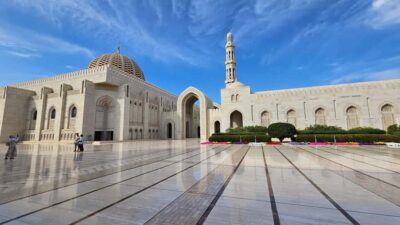

Dolphin Watching Boat Trip with Snacks & Local Guide
Read our review →