
Reviewed · CITY TOURS
Muscat: Private City Guided Tour
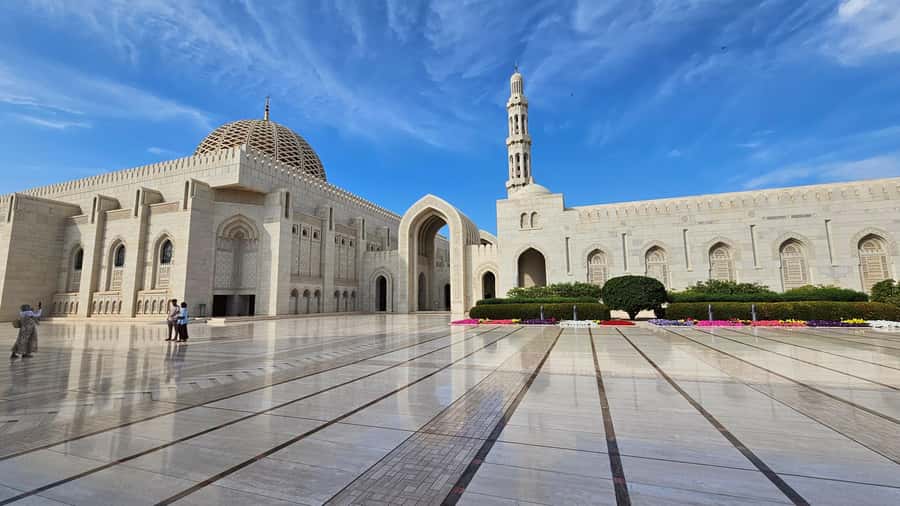
Muscat’s Sultan Qaboos Grand Mosque is the star of this private city tour, but the best part is the way the day links modern Oman with its older waterfront quarter. You move from a vast prayer hall and polished opera house to a fish market, narrow souq lanes, royal palace, and Portuguese forts.
I like the private format, since your guide can answer questions, adjust the pace, and sometimes tailor the route. I also like the small food stops: Omani bread with karak tea and a taste of halwa give the tour more character than a simple drive-by sightseeing loop. The main caution is time. Four and a half hours covers a lot, and the mosque can only be visited from inside in the morning.
Key points to know before booking
- The Grand Mosque requires a morning visit inside, making an early start important.
- Omani bread and karak tea add a useful local food stop rather than leaving you with only photographs.
- Muttrah Souq includes free time for shopping, including handicrafts, souvenirs, spices, dates, gold, clothing, and sweets.
- Royal Opera House admission to the auditorium costs $8 extra, though the surrounding complex is part of the visit.
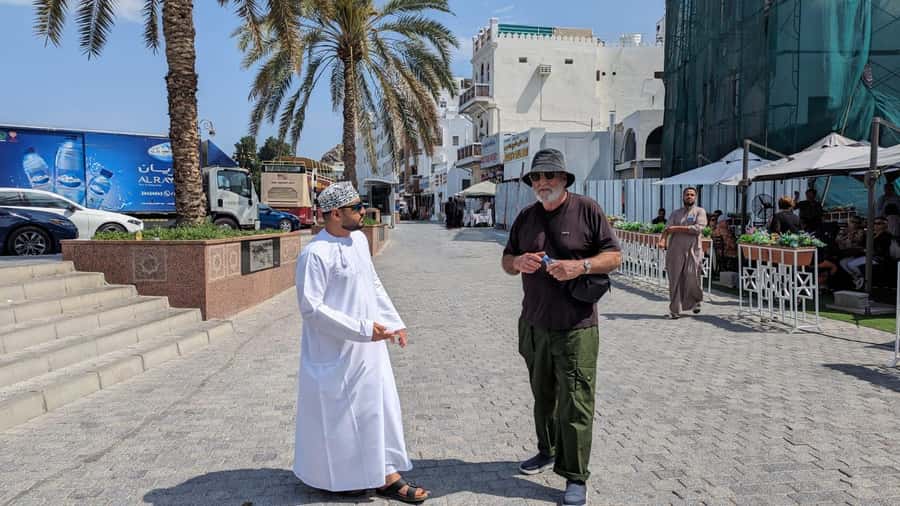
- Guides including Hisham, Yasir, Ghassan, Badr, Asaad, and Zaher Kindi have been praised for warmth, local knowledge, and flexibility.
- The route suits short stays and cruise or airport visits, but it is not designed for wheelchair users.
Why this four-and-a-half-hour Muscat tour works
Muscat is spread out, with wide roads connecting separate districts. That makes a private car useful. Instead of working out taxis between the mosque, opera house, Muttrah, and old Muscat, you can settle into an air-conditioned modern car and let the guide handle the movement between stops.
The tour costs $94 per person. That is not the cheapest way to see Muscat, but the price includes hotel, airport, or Sultan Qaboos Port pickup and return, a licensed English-speaking guide, a modern car, water, and snacks. For a short visit, the convenience can make good sense. You are paying for transport and context as much as for the sightseeing.
The private setup matters most if you have specific interests. Guides such as Hisham have adapted visits for shopping, food stops, photography, and personal questions. Yasir has been praised for taking photographs for solo visitors, while guides including Ghassan, Badr, Asaad, and Zaher Kindi have been singled out for professionalism and personal attention.
Still, keep the limits in mind. The advertised duration is 270 minutes, and the scheduled stops already fill that time. Some guide-led visits have lasted longer, but you should treat that as a bonus rather than a promise. If you want long shopping time, a full museum visit, or an unhurried meal, book a longer private outing.
A few more Muscat trips to weigh up
- Full-Day Private Wahiba Sands Desert and Wadi Bani Khalid Tour
★ 5.0 · 291 reviews - Half-Day Private Muscat City Tour – Top Landmarks in Just 4 Hours
★ 5.0 · 256 reviews - Oman: Private Muscat City Tour With Pick-up/ Drop-off
★ 4.4 · 234 reviews
Start at Sultan Qaboos Grand Mosque
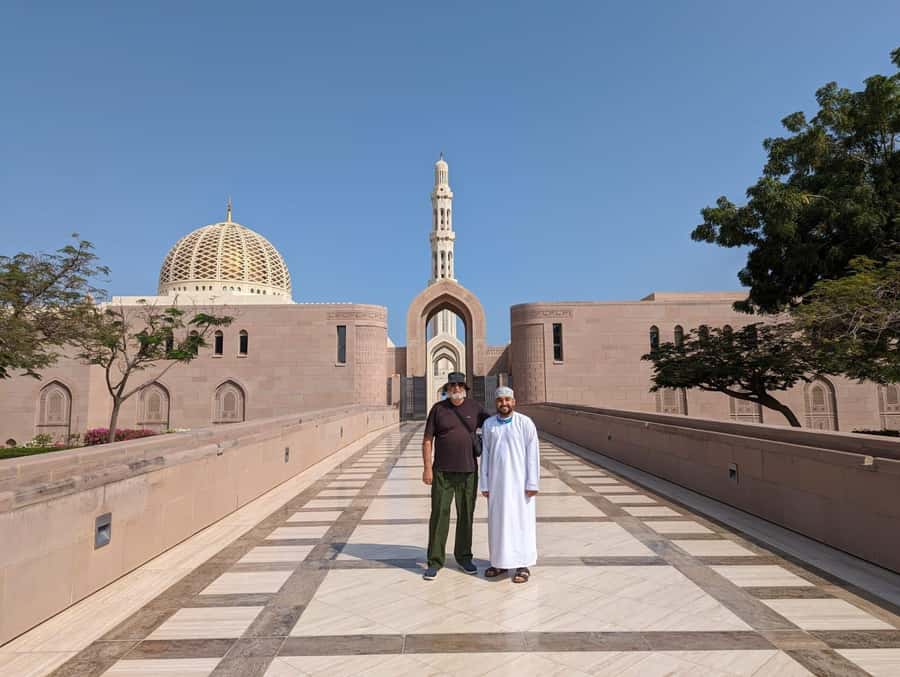
The mosque is the tour’s essential first stop. It is one of the largest mosques in Oman, with space for more than 20,000 worshipers. Inside are a vast carpet and one of the world’s largest chandeliers, details that are much easier to appreciate with a guide explaining what you are seeing.
The building is also useful for understanding modern Oman. Its scale, design, and religious purpose give you an immediate introduction to the country’s Islamic traditions and public life. The visit is not just a quick photo stop. You have about an hour for guided sightseeing, which gives you time to look carefully rather than rush through the grounds.
The important rule is timing: the mosque can be visited from inside only in the morning. If this is a priority, choose an early departure and confirm the starting time when booking. Bring respectful clothing suitable for a mosque visit, since the supplied tour information does not specify clothing rental or cover-ups.
You should also wear shoes that are easy to walk in. Comfortable shoes and a sun hat are specifically recommended, and Muscat’s sun can make even short outdoor stretches feel demanding.
Pause for Omani bread and karak tea
After the mosque, the tour stops at a local cafe for Omani bread and karak tea. Karak is a strong, milky tea, and the bread gives you a simple taste of everyday Omani food rather than a formal restaurant meal.
This is a small part of the day, but I think it adds a lot. A guide can explain how the food fits into local habits, and you get a natural chance to ask questions in a relaxed setting. Halwa, a sweet Omani specialty, also appears later around Muttrah Souq.
The food is included as a snack, but personal purchases are not. If you need a substantial lunch, do not assume this stop will replace one. The tour is built around tasting and refreshment, not a long sit-down meal.
See modern Muscat at the Royal Opera House
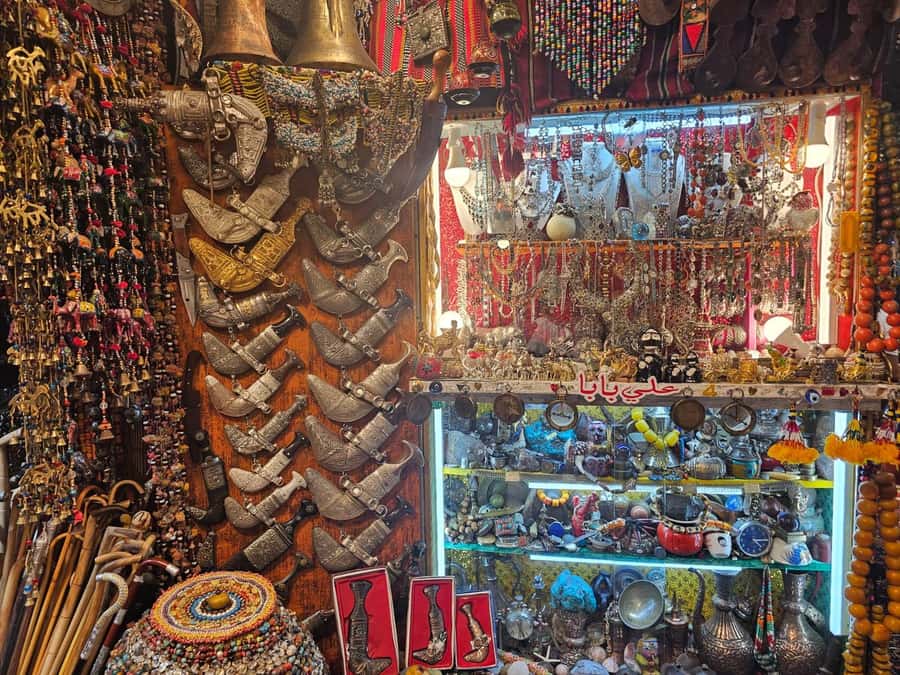
The Royal Opera House provides a sharp contrast with the mosque and the old harbor district. It is one of the largest opera houses in the Middle East and includes the opera building, a market, and restaurants.
You have about 30 minutes here, so expect a focused visit rather than a full performance experience. The architecture is the main reason to stop, along with the chance to see a modern cultural center in a city often associated only with forts and souqs.
Admission to the opera auditorium is not included and costs $8. The tour information does not promise that an auditorium ticket will be purchased as part of the visit, so ask your guide what is open and what your ticket covers on the day. If you are content with the exterior and public areas, the extra fee may not matter. If you want to see the auditorium properly, budget for it.
This short stop works well for first-time visitors. You see how Oman presents music, performance, and public culture today, then return to older Muscat for the afternoon’s market and fortress visits.
Same coast and mountains, a completely different day out:
- Muscat: Daymaniat Islands Snorkeling Trip with Brunch
★ 4.7 · 2,317 reviews - From Muscat: Wadi Shab & Bimmah Sinkhole Full-Day Tour
★ 4.8 · 1,862 reviews - Muscat: Wahiba Desert and Wadi Bani Khalid Guided Group Tour
★ 4.8 · 820 reviews - Muscat: Half-Day Sightseeing Essentials Tour and Audio Guide
★ 4.2 · 598 reviews
Take in the coast around Al-Qurm Beach
Al-Qurm Beach adds open air and coastal scenery to an otherwise city-focused route. Al-Qurm refers to mangrove trees, and the area is described as a place where mountain rocks meet salty seawater.
The appeal here is visual. The meeting of rock, sea, and mangrove habitat gives you a different view of Muscat from the grand buildings and crowded market lanes. It is a good place for a brief pause and photographs.
The beach is included in the described route, but it is not given a separate timed entry in the detailed stop schedule. That means the length of this visit may depend on traffic, weather, and how much time you spend at the other stops. If the beach matters to you, mention it to the guide at pickup so it does not get lost when the day runs tight.
Do not expect a dedicated beach day. This is a city tour with a coastal stop, so the emphasis is on seeing the setting rather than swimming or spending a long time by the water.
Walk through Muttrah’s fish market
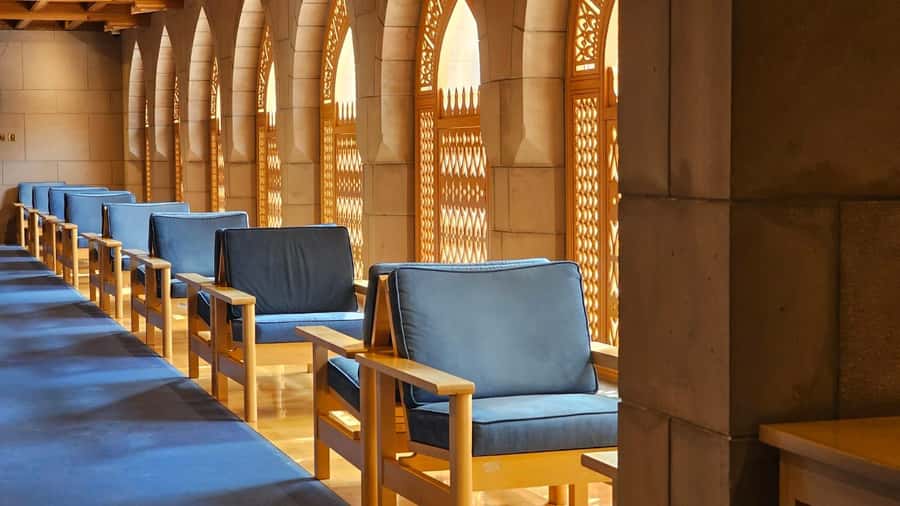
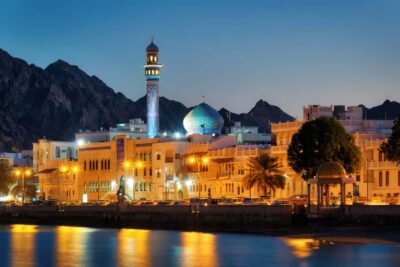
The Muttrah fish and vegetable market gives the tour a working local side. You may see tuna, mullet, and other fish, along with produce. It is a useful counterpoint to the polished opera house and royal buildings because it shows an ordinary part of waterfront life.
The market is best approached with curiosity and respect. Keep your walking shoes on, stay with your guide, and follow any local instructions about photography. The tour information does not promise a food purchase or tasting at the market itself. Its value is in seeing the trade and hearing how the guide connects Muttrah to the sea.
This stop may be brief if you want enough time in the souq. If markets are your main interest, tell your guide early. A private tour gives you more room to shape the balance, but it does not create unlimited time.
Spend an hour in Muttrah Souq
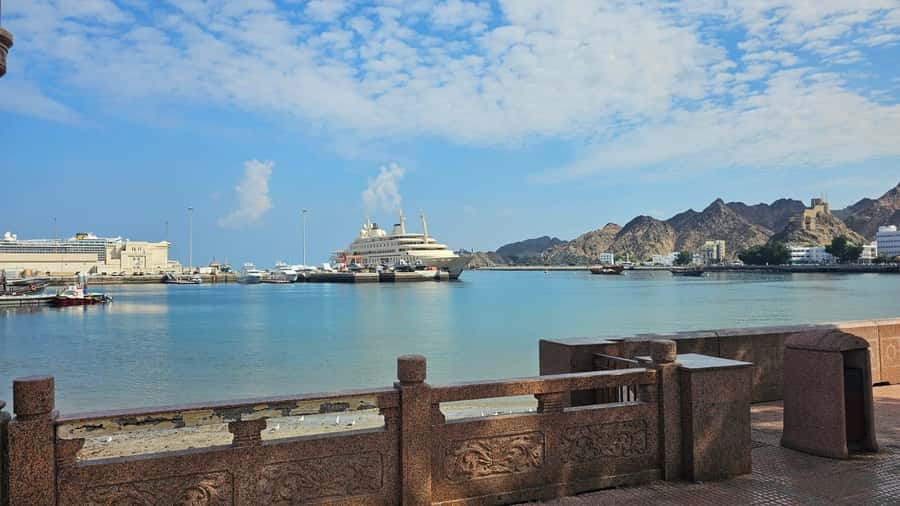
Muttrah Souq is where the tour becomes most hands-on. You get about an hour to walk and shop, with time for handicrafts and souvenirs. Expect narrow lanes and a strong mix of sights, smells, and sales pitches.
The market is a good place to look for Omani sweets, traditional clothing, spices, dates, gold, and other small gifts. The tour description specifically includes halwa, so plan to taste or buy this dense, sweet Omani treat. You may also find antique shops and goods connected to Oman’s trading links, including items with East African influence.
An hour is enough for a first look, but not enough for a slow, serious shopping expedition. I would decide before entering whether you want one or two meaningful purchases or simply a walk through the lanes. If you stop at every stall, you can easily lose time needed for Al Alam Palace and the forts.
A private guide helps here. You can ask what an item is, where it comes from, and how to compare prices. You can also say plainly when you want to browse alone. The experience is more useful when the guide supports your shopping rather than directing every step.
Photograph Al Alam Palace in old Muscat
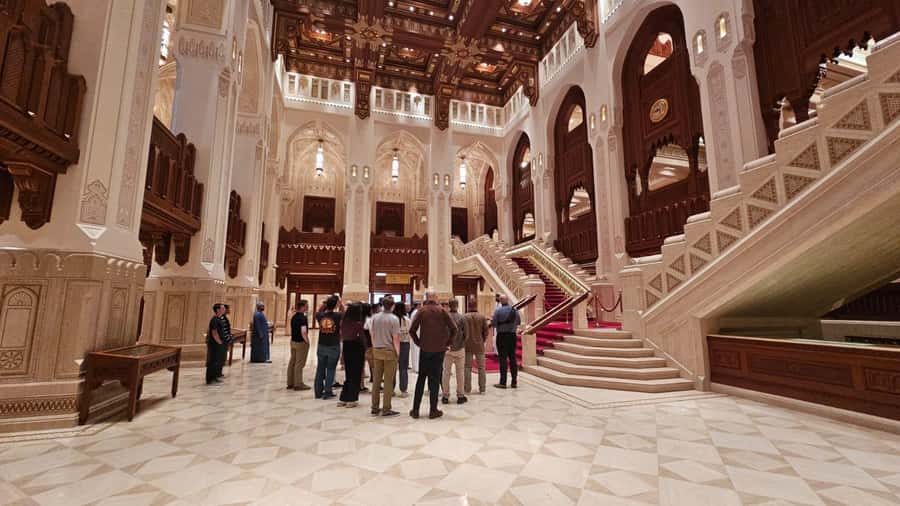
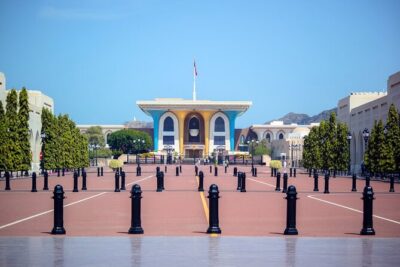
Al Alam Palace is the royal palace in Muscat’s old city. The visit is listed as a photo stop lasting about 25 minutes, so you should expect to view the palace from outside rather than tour royal interiors.
The palace gives you a strong visual moment, especially when paired with the older buildings and forts nearby. Your guide can place it in the wider story of Muscat and explain how the old city differs from the newer districts visited earlier.
Keep your expectations practical. This is not a palace admission visit, and the time is aimed at photographs and sightseeing. It is a pleasant pause after the souq, but if you want detailed architectural study, you may wish for more time than the standard route allows.
Finish with Al Jalali and Al Mirani Forts
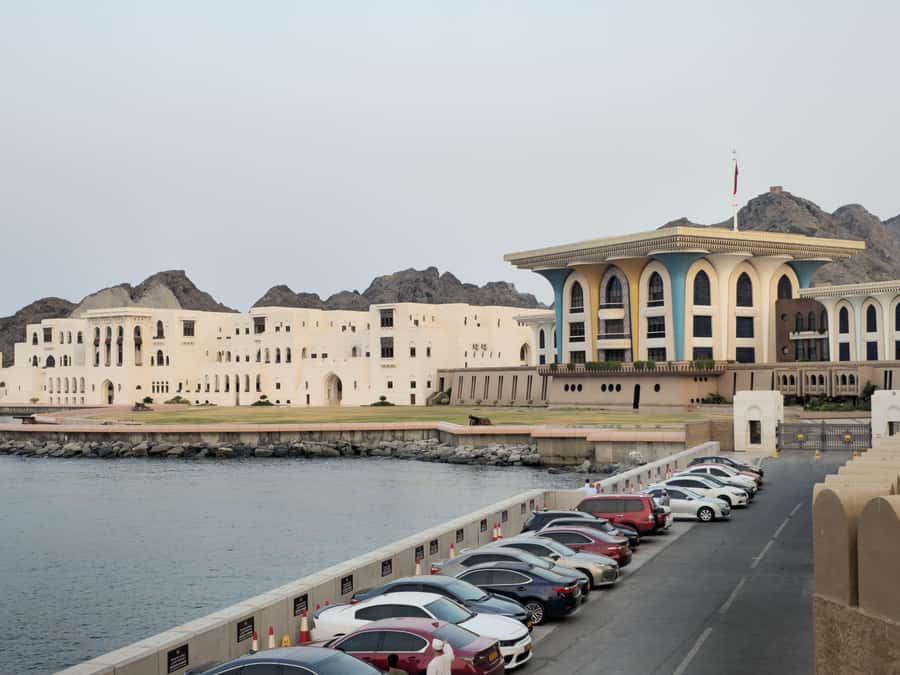
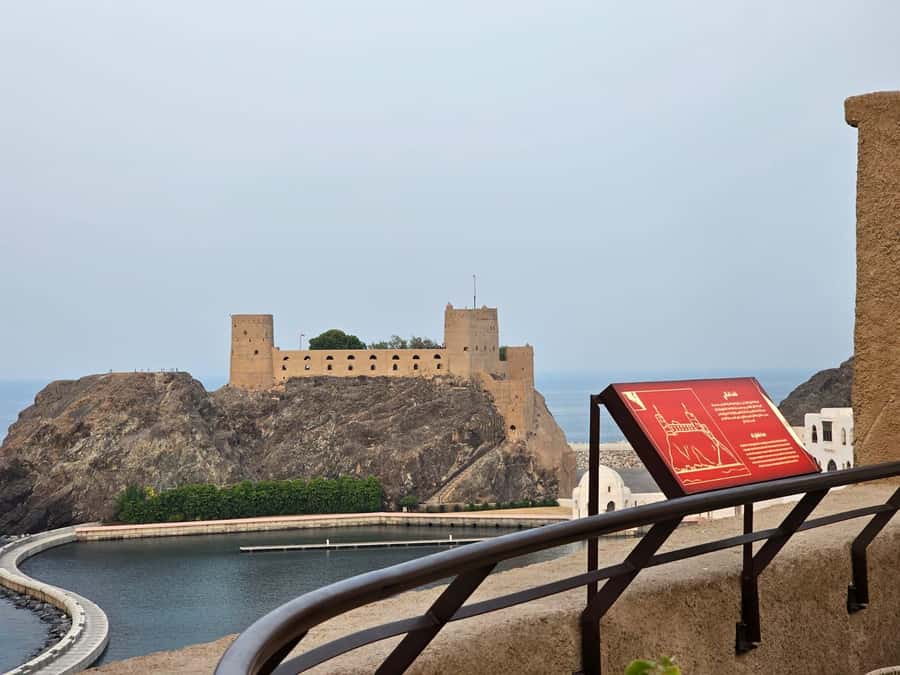
Al Jalali and Al Mirani Forts were built by the Portuguese between the 16th and 17th centuries. Their position around the old harbor helps explain why Muscat mattered as a port and why control of the waterfront was so important.
You will mainly see and photograph the forts from outside. The route information does not include interior admission, so do not plan on exploring their rooms or galleries. Even from the exterior, the forts give the final part of the tour a clear historical frame.
This is one of the places where a strong guide makes the difference. A short explanation about Portuguese construction, Muscat’s harbor, and the role of the forts turns two impressive structures into part of a story. Guides such as Hisham, Yasir, Asaad, and Zaher Kindi have been praised for explaining Oman’s past, religion, customs, and local places in clear English.
After the forts, you return to Muscat accommodation, the airport, or the port, depending on your pickup and drop-off arrangement. Some guides have also helped with airport transfers after the tour, but treat that as something to confirm rather than a guaranteed extra.
The guide is the real value
The monuments are worthwhile on their own, but the guide determines how much you take away. The strongest feedback focuses on guides who arrive on time, drive a clean and comfortable car, answer questions patiently, and explain Oman beyond memorized dates.
Hisham is repeatedly praised for adapting the route and sharing background on history, Islamic religion, culture, and daily life. Yasir has been described as polite, engaging, and helpful with photographs. Ghassan, Badr, Asaad, and Zaher Kindi are also named as guides who bring professionalism and warmth to the day.
You cannot necessarily choose a particular guide at checkout, so ask the operator if a preferred guide matters to you. English and Arabic are available. The group is private, which means you are not sharing the car with unrelated participants.
That private setting also makes the tour a good choice for solo visitors. A solo traveler can ask for photographs, discuss local customs without feeling awkward, and adjust the amount of shopping or sightseeing. Couples and families benefit from the same flexibility.
Timing, comfort, and practical limits
Pickup is available from a Muscat hotel, Muscat Airport, or Sultan Qaboos Port in Muttrah. You should wait in the hotel lobby five minutes before the start time. The tour includes a water bottle and snacks, but you should still bring water if you are sensitive to heat.
The route involves walking at the mosque, opera house, souq, market, and old city. A sun hat and comfortable shoes are sensible. Smoking is not allowed in the vehicle, and pets are not allowed on the activity.
The tour is not suitable for wheelchair users. The supplied information does not give details about child seating, mosque clothing, or exact beach access, so ask before booking if any of those points affect your plans.
Free cancellation is available up to 24 hours before the start for a full refund, and you can reserve now and pay later. Those terms are helpful if your Muscat schedule depends on a cruise arrival or changing flight plans.
Who should book this private Muscat tour?
I would choose this tour if you have one day or less in Muscat and want the major sights explained in plain English. It is especially useful for a cruise stop, airport layover, or first visit when you want to cover both modern Muscat and the old harbor district.
It also suits you if you prefer a guide who can answer questions rather than a fixed bus commentary. The combination of mosque, opera house, beach, market, souq, palace, and forts gives you a broad first look at the city.
I would hesitate if you want long time at each site. The Grand Mosque receives an hour, the opera house 30 minutes, the souq one hour, and the palace about 25 minutes, with the remaining time used for other sightseeing and transfers. That is efficient, but it is not slow travel.
Should you book it?
Book this tour if you value a private car, hotel or port pickup, local food tastes, and a guide who can adjust the day. At $94 per person, the strongest value comes when you want transport and interpretation bundled together, not just a driver taking you from one photo stop to another.
Choose an early start so you can enter the Grand Mosque. Tell the guide if Al-Qurm Beach, the fish market, shopping, photography, or the opera auditorium matters most, since the schedule is full. If you want a longer market visit or more time at every monument, ask about extending the tour.
For a compact first look at Muscat, this is a sensible choice. It gives you the city’s grand religious building, modern arts center, coastal setting, working market, traditional souq, royal palace, and Portuguese forts in one manageable outing.
FAQ
How long does the Muscat private city tour last?
The tour lasts 270 minutes, or about four and a half hours. Some guides may extend the day, but the stated duration is 270 minutes.
What places are visited?
The route includes Sultan Qaboos Grand Mosque, Royal Opera House Muscat, Muttrah Souq, Al Alam Palace, Al-Qurm Beach, the Muttrah fish and vegetable market, and the Al Jalali and Al Mirani Forts.
Can I visit Sultan Qaboos Grand Mosque inside?
Yes, but the mosque can be visited from inside only in the morning. Choose a morning start if entering the mosque is important to you.
Is hotel or airport pickup included?
Yes. Pickup and return transfer are included from a hotel in Muscat, Muscat Airport, or Sultan Qaboos Port in Muttrah.
Is the tour private?
Yes. This is a private group experience with a licensed English or Arabic-speaking guide.
Is Royal Opera House admission included?
The opera auditorium admission is not included. The stated additional cost is $8.
What food is included?
The experience includes Omani bread with karak tea and snacks. Omani halwa is also included as part of the Muttrah Souq visit. Personal expenses are not included.
What should I bring?
Bring comfortable shoes and a sun hat. You should also dress respectfully for the mosque visit.
Is the tour suitable for wheelchair users?
No. The activity is listed as not suitable for wheelchair users.
Just added around Muscat
- Wadi Shab &Bimmah Sinkhole &Heart shaped Cave &Pebble Beach★ 5.0 · 5 reviews
- Wahiba Sands and Wadi Bani Khalid Full-Day Tour from Muscat★ 4.6 · 3 reviews
- Try scuba Diving Tours To Daymaniyat Islands.★ 5.0 · 12 reviews
- Watching Sunrise in Wahiba Sand Desert – Early Morning Tour★ 5.0 · 7 reviews
- Wahiba Sands&Wadi Bani Khalid desert Safari(Muscat tours)★ 4.5 · 6 reviews
- From Muscat Wadi Shab and Bimmah Sinkhole Tour★ 5.0 · 6 reviews
- Wahiba Sands&Wadi Bani Khalid desert Safari(Muscat tours) : Private tours★ 4.5 · 6 reviews
- Guided Private Tour to Wakan Village in Oman★ 5.0 · 3 reviews
City Tours, compared.

Half-Day Private Muscat City Tour – Top Landmarks in Just 4 Hours
Read our review →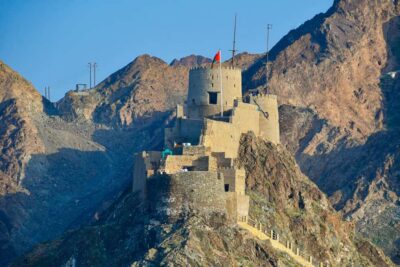


Half-Day Private Muscat City Tour- with a local guide
Read our review →Browse the lists this tour appears in