
Reviewed · SAFARI
Sunset desert safari Salalah with Dinner in a Bedouins camp
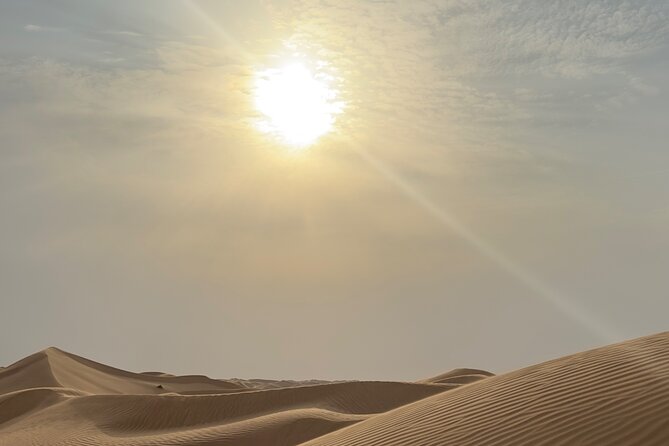
The big draw here is the Empty Quarter at sunset, where Oman’s sand rises into huge, clean curves with no city skyline in sight. The route also ties the desert to frankincense, the trade that helped make Dhofar famous.
I like the mix of stops: Wadi Dawkha’s ancient trees give the afternoon a cultural anchor, while the Bedouin camp adds a relaxed finish with dinner. I also like that this is a private outing, so your group can share the vehicle rather than joining a large coach.
The main consideration is the price, $150 per person, plus 3 Omani rials for Ubar. It is fair for a full private day with a guide, transport, snacks, and dinner, but it is not a budget desert ride.
Key points at a glance
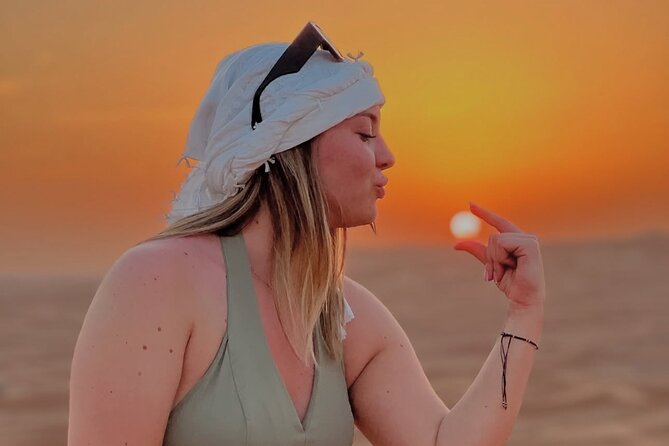
- Sunset in the Empty Quarter: Finish among some of the world’s largest sand dunes as the light changes.
- Frankincense at Wadi Dawkha: See thousands of trees and learn how their scented sap is collected.
- Ubar costs extra: The Lost City admission is 3 OMR per person and is not included.
- A private eight-hour outing: Only your own group takes part, with pickup offered and a 1:00 pm start.
- Omani refreshments included: Local tea, coffee, and snacks are provided during the day.
- Guide language choice: The tour provides an English or Italian-speaking guide. Mohammed is one named guide associated with the experience.
From Salalah into Dhofar’s frankincense country
This is a long afternoon and evening in the northern Dhofar region, not a quick dune trip outside Salalah. You leave at 1:00 pm and spend roughly eight hours moving from trees and trading towns to archaeological ruins and open sand.
That progression gives the day a useful sense of place. You are not simply driven to a viewpoint, handed a meal, and returned to town. The route explains why this part of Oman mattered: frankincense grew here, caravans crossed the interior, and desert settlements linked southern Arabia with distant markets.
The tour is private, which matters more than it may sound. You share the experience only with your own group, and that usually makes a long drive easier. You can focus on the guide’s explanations, take photographs without a crowd around you, and settle into the desert at your own pace within the planned schedule.
The drive is also the reason to book this as a full-day experience rather than expecting constant activity. Each listed stop is planned for about two hours, so you should be ready for a substantial amount of road time between Salalah and the sites.
A few more Salalah trips to weigh up
- East Salalah Mountain Safari, Wadi Darbat, Beach, Camels, Dunes
★ 5.0 · 206 reviews - Mountain Safari Private Tour
★ 5.0 · 105 reviews - Sunset Desert Safari Salalah Tour in Rub Al Khali – Empty Quarter
★ 5.0 · 91 reviews
Wadi Dawkha and the trees that shaped Dhofar
About 40 kilometers north of Salalah, Wadi Dawkha offers a quiet opening to the trip. This is a stony, semi-desert valley filled with frankincense trees, and the area is recognized as a UNESCO World Heritage Site.
The trees are the point here. Their sap produces the fragrant resin once traded across Arabia and far beyond. You can walk among the groves, look at the distinctive trunks and branches, and learn about the traditional method of collecting the resin.
I like this stop because it keeps the desert story grounded in something living. The Empty Quarter can feel immense and abstract, but Wadi Dawkha shows the plant that helped put Dhofar on old trade routes. It is a calmer visit than the later dunes, and it gives you useful background before the archaeological stop at Ubar.
Admission to Wadi Dawkha is free. The planned visit lasts about two hours, so this is more than a brief roadside photograph. Still, do not expect a formal museum or a dense collection of buildings. The attraction is the open valley, the trees, and the explanation of how frankincense harvesting works.
If you care about Oman’s plant life, trade routes, and local customs, this may be the most meaningful stop of the afternoon. If you only want sand and sunset, it may feel slower than the rest of the outing.
Thumrait, a practical stop in southern Oman

The route continues to Thumrait, about 100 kilometers north of Salalah. It is a working town and a commercial center for Dhofar, known for livestock, farming, industry, and its local souk.
This part of the schedule adds everyday context. You see a town connected to agriculture and trade rather than a site preserved only for sightseeing. The surrounding plains support crops such as dates, mangoes, and pomegranates, while the souk sells produce, handicrafts, and traditional Omani textiles.
The information provided for the tour does not specify exactly which parts of Thumrait you will visit, so you should treat this as a planned town stop rather than assume a particular market, farm, or building. The two-hour allocation suggests time for an unhurried look, but the exact order can depend on the guide and the day’s driving conditions.
I see Thumrait as a useful bridge between the frankincense groves and the remote desert. It helps you understand that Dhofar is not only a holiday coast and not only empty sand. It is also a region with farms, commerce, livestock, and people going about ordinary business.
For some groups, this may be the least dramatic stop. That is not a flaw, as long as you value local context as well as postcard views. If your priority is maximum time on the dunes, the town visit may make the day feel less tightly focused.
Ubar and the story of the Atlantis of the Sands
The Lost City of Ubar is the day’s main archaeological stop. Also called the Atlantis of the Sands, it is linked to the old frankincense trade and is described as a former trading center with ruins, fortifications, and underground irrigation channels.
The site’s appeal comes partly from the setting. Ubar sits in a region where commerce, water, and desert travel were closely tied together. Its rise and abandonment have prompted different explanations, including natural disaster and social upheaval.
The admission fee is not included. Budget 3 OMR per person for entry. That is an important detail because the advertised price does not cover every cost of the day.
I would give Ubar your full attention, even if the ruins are less immediately impressive than a major stone city. The value is in understanding how a settlement could exist in such a dry region and why frankincense made this part of the Arabian Peninsula important. The underground water channels are especially useful for picturing the engineering needed to support life and trade.
The planned stop is about two hours. Since the tour information does not specify the exact condition or extent of the remains you will see, keep expectations sensible. This is an archaeological site in a remote desert setting, not a large urban ruin with a full museum and a long sequence of restored buildings.
A guide makes a real difference here. The ruins need explanation, and the connection between Ubar, frankincense, and desert trade is not always obvious from the stones alone. Ask your English or Italian-speaking guide to explain which remains are visible and how the site fits into Dhofar’s past.
Same coast and mountains, a completely different day out:
- Salalah: Wadi Darbat, Jabal Samhan, Baobab, Mirbat Sand Dune
★ 4.6 · 178 reviews - Salalah: Sunset Desert Safari – Rub Al Khali – Empty Quarter
★ 4.6 · 79 reviews - West Salalah Tour – Caribbean of Orient – Fazayah Beach with City
★ 5.0 · 74 reviews - Salalah City Tour: Discover the Best of Oman’s Coastal Gem
★ 4.8 · 58 reviews
The Empty Quarter at its most dramatic
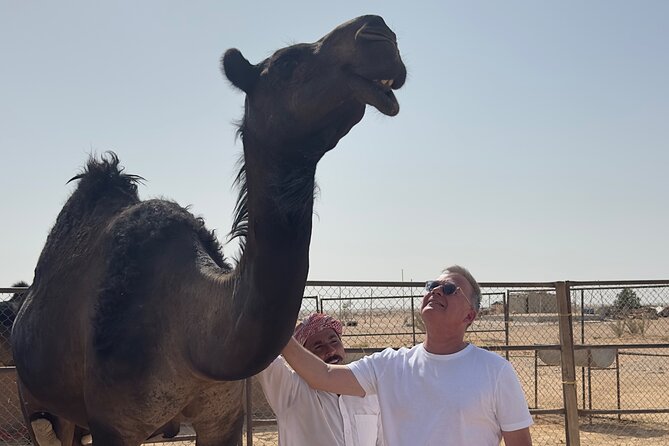
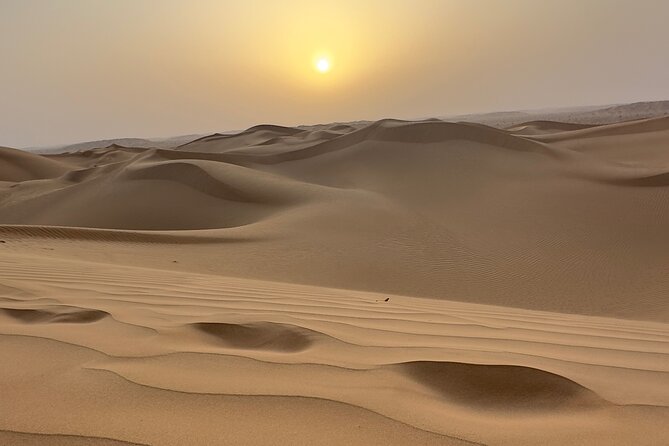
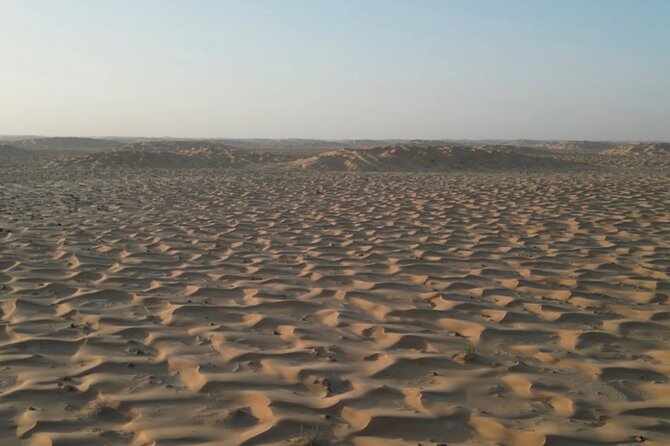
The final major setting is the Empty Quarter, or Rub’ al-Khali, the largest continuous sand desert in the world. The Omani section spreads into broad dunes that can reach more than 300 meters in height.
This is where the outing becomes visual and spacious. After the trees, town, and ruins, the desert seems to erase every nearby reference point. You get long lines of sand, changing color, and a wide horizon that makes ordinary distances hard to judge.
The schedule allows about two hours in the Empty Quarter. The tour title promises a sunset desert safari, so the timing is designed to place you here as daylight fades. Sunset is a smart choice in a desert. The cooler light is easier on the eyes, and the dunes take on changing shades as the sun drops.
You should bring patience as well as a camera. The Empty Quarter is not a theme park with a new activity every few minutes. Its pleasure is the scale and silence of the place. You might see signs of desert wildlife, including adapted plants or animals, but the information provided does not promise sightings. The reliable attraction is the sand itself.
The environment is severe, with scarce rain and very high temperatures at some times of year. The afternoon departure avoids the worst heat of midday, but you are still heading into a dry, exposed setting. Carry water even though local refreshments are supplied, and use sun protection. Those are sensible desert habits, not optional extras.
Dinner at the Bedouin camp
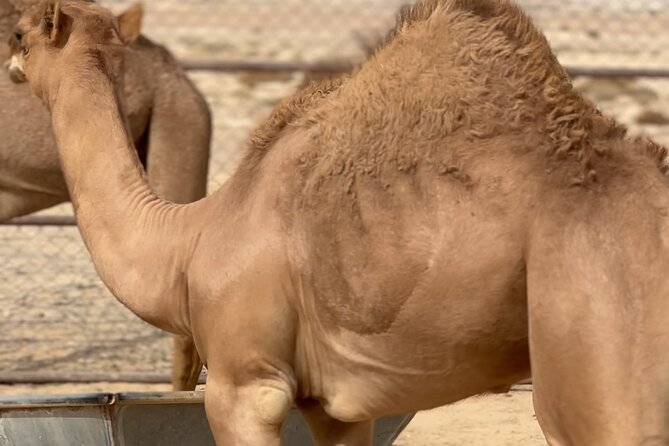
After the sunset portion, the experience moves to a Bedouin camp for dinner. The meal is one of the strongest reasons to consider the full tour instead of arranging a simple desert transfer.
You are also provided with Omani local tea, coffee, and snacks. These small touches help break up the long journey and give the guide a chance to explain local customs in an informal setting. The supplied feedback specifically praises the food and describes the dinner as a satisfying part of the evening.
The exact menu is not stated, so you should not book this expecting a named dish or a particular dietary arrangement. The important point is that dinner is included at the camp, while the Ubar entry fee is separate.
A camp meal also changes the rhythm of the outing. You are no longer rushing from one photograph to the next. You can sit, eat, and let the desert evening settle in before the return to Salalah. For many people, that slower finish will be more memorable than another short sightseeing stop.
How the $150 price works out
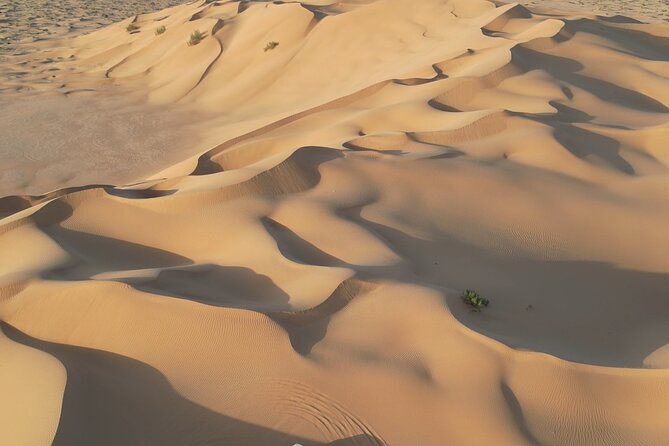
At $150 per person, this is a premium day trip. The value depends on how many people are in your private group and how much you want to see in one outing.
The price covers an approximately eight-hour experience with pickup offered, a private group arrangement, an English or Italian-speaking guide, local tea, coffee, snacks, the desert route, and dinner at the Bedouin camp. It also combines four distinct settings: a UNESCO-listed frankincense area, a Dhofar town, an archaeological site, and the Empty Quarter.
That is a substantial amount for one afternoon and evening. You are paying for the distance as much as the individual stops. Salalah is not next door to the northern desert sites, and a private vehicle with a guide makes the route easier than trying to link these places independently.
The value is weaker if you want only a sunset and dinner. In that case, several hours of driving and the Ubar visit may not match your interests. The value is stronger if you want a broad introduction to Dhofar’s interior and prefer one organized day rather than separate arrangements.
Remember the extra 3 OMR for Ubar. The other listed stop admissions are free, but the total cost is not limited to the advertised tour price if you choose to enter the archaeological site.
Timing, comfort, and who should book
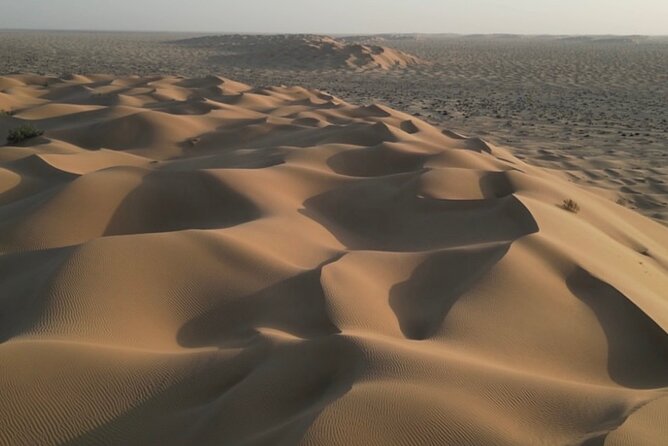
The 1:00 pm start works well for visitors who want a morning in Salalah before heading inland. It also places the final desert hours near sunset. The experience lasts about eight hours, so you will return in the evening.
Because the outing is private, it suits couples, families, and small groups who want their own space. It is also a good fit if you prefer asking questions as you go rather than listening to a general speech from a large coach.
The tour information says most people can participate and that the meeting point is near public transportation. Pickup is offered, but you should confirm the exact pickup arrangement when booking. A mobile ticket is provided, and confirmation arrives at booking.
The guide speaks English or Italian. Mohammed is one named guide associated with this experience, and the feedback connected with him highlights clear explanations and a friendly, organized manner. If you book in Italian or English, confirm your preferred language in advance.
I would not choose this outing if you dislike long drives, open heat, or a schedule built around widely separated sites. The day covers a lot of ground. You need to enjoy the journey between stops, not just the stops themselves.
Free cancellation is available if you cancel at least 24 hours before the start time. Changes or cancellations made within 24 hours are not refunded, and the cut-off follows local time.
Should you book the Salalah desert safari?
I would book this if you want more than a dune photograph. The combination of frankincense trees, Thumrait, Ubar, the Empty Quarter, sunset, and camp dinner gives you a fuller picture of inland Dhofar.
The best parts are the private format, the strong sunset setting, and the link between natural places and old trade. Mohammed’s friendly, informative guiding style is another plus if he is assigned to your group.
Skip it if your priority is a short, low-cost desert outing or if you want a detailed archaeological tour with extensive facilities. At $150, plus 3 OMR for Ubar, this is best viewed as a full regional excursion with dinner, not a simple evening activity.
FAQ
What time does the tour start?
The tour starts at 1:00 pm.
How long does the experience last?
The experience lasts approximately eight hours.
Is pickup available?
Yes, pickup is offered. The meeting point is also near public transportation.
Is the tour private?
Yes. Only your own group takes part in the private tour or activity.
What languages does the guide speak?
The tour provides an English-speaking or Italian-speaking guide. Mohammed is one guide associated with the experience.
Is dinner included?
Yes, dinner at a Bedouin camp is part of the experience. Omani local tea, coffee, and snacks are also provided.
Is entry to the Lost City of Ubar included?
No. Admission to Ubar costs 3 OMR per person and is paid separately.
Can I cancel for a full refund?
Yes, if you cancel at least 24 hours before the experience start time. Cancellations or changes made less than 24 hours before the start time are not refunded or accepted.
More Evening Experiences in Salalah
- Sunset desert safari tour in Salalah(private tour)
★ 5.0 · 58 reviews - Empty Quarter Desert Sunset tour
★ 5.0 · 55 reviews - Desert Safari, Sunset & Sand Bashing (Rub Al Khali Desert)
★ 5.0 · 44 reviews - Magical Night Stay in Rub Al Khali Empty Quarter Desert Salalah
★ 5.0 · 35 reviews
More Dining Experiences in Salalah
- Muscat: Group City Tour with Pickup and Lunch or Dinner
★ 4.3 · 89 reviews - Dubai: Desert Safari with BBQ Dinner
★ 4.6 · 30 reviews - Oman:Group Muscat City Tour With Pick Up & Free Lunch/Dinner
★ 4.6 · 19 reviews - Authentic Omani Home Dining
★ 5.0 · 19 reviews
Just added around Salalah
- West of Salalah private tour – fascinating mountains and beaches★ 5.0 · 9 reviews
- West Salalah Beaches and Blowholes★ 5.0 · 7 reviews
- Where Sea Meets Rock: A Scenic Journey to West Salalah’s Shores★ 5.0 · 5 reviews
- Private tour – Empty Quarter desert adventure – Wadi Dawka + Ubar★ 5.0 · 5 reviews
- West Salalah Tour by VisitSalalah★ 5.0 · 6 reviews
- Salalah City Tour: Discover Salalahs Treasures with a Local Guide★ 5.0 · 4 reviews
- Full-Day Private Salalah West Tour with Lunch★ 5.0 · 12 reviews
- Explore Samhan Mountain – Half-Day Getaway with Lunch Included.★ 5.0 · 10 reviews
Safari, compared.

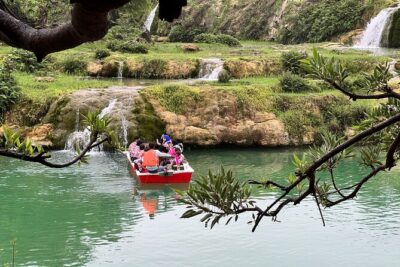
East Salalah Mountain Safari, Wadi Darbat, Beach, Camels, Dunes
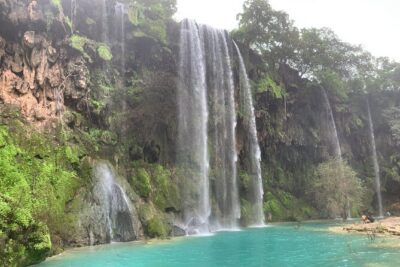
Read our review →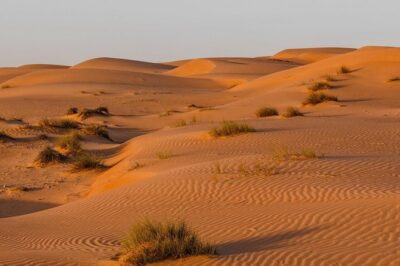
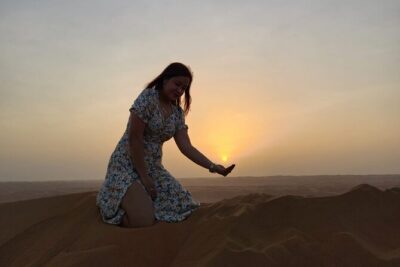

Sunset desert safari tour in Salalah(private tour)
Read our review →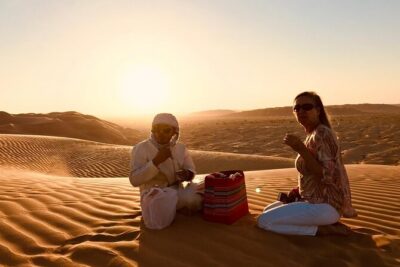
Desert Safari, Sunset & Sand Bashing (Rub Al Khali Desert)
Read our review →
Browse the lists this tour appears in