
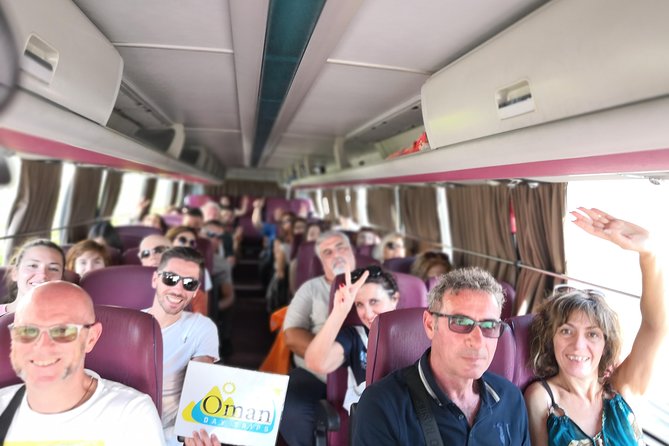
Reviewed · CITY TOURS
Cruise-Tour Excursion Muscat city tour half day
Muscat makes a strong first impression with its grand white mosque, seafront souq, and royal palace framed by old Portuguese forts. This three-to-four-hour cruise excursion gives you a useful first look at the Omani capital without straying far from the port.
I like the mix of major sights and everyday shopping at Mutrah Souq, and I like that the tour keeps you in an air-conditioned vehicle with bottled water. The main caution is cost clarity: the advertised price is $58.30, but the supplied details also list separate admission charges for the mosque and Royal Opera House, so confirm exactly what is included before paying.
Key points to know before booking
- The Grand Mosque is the main event: Allow about two hours to see its modern Islamic design and enormous Persian carpet.
- Mutrah Souq adds local character: You can browse silver jewelry, handicrafts, wooden goods, textiles, and antiques, with bargaining expected.
- The palace and forts are photo stops: Al-Alam Palace, Al Mirani Fort, and Al Jalali Fort are viewed from outside.
- The tour is designed around cruise timing: Pickup and return are at As Sultan Qaboos Port, with ship details required at booking.
- Dress rules are strict: Men and women must cover shoulders and knees at places of worship and selected museums.
- Guide quality can vary: Many guests praise guides such as Mutasem and Riz, but one recorded complaint noted that a guide spoke too quickly.
Why this half-day Muscat tour works well from a cruise ship
Muscat is spread out, and a short port visit can make independent sightseeing awkward. This excursion links the city’s most important sights in one route, with pickup at As Sultan Qaboos Port and a return to the same meeting point.
The advertised price is $58.30 per person. That is reasonable for a private or small-group style outing with a professional guide, an air-conditioned vehicle, local taxes, and two bottles of water per person. The stated maximum is 15 people, although the booking details also mention a maximum of 35, so you should confirm the expected group size.
The tour usually takes three to four hours, but the Grand Mosque visit alone is scheduled for about two hours. That leaves limited time for the other stops. You will see the Royal Opera House, palace, and forts mainly from outside, while Mutrah Souq receives about an hour.
The operator asks cruise passengers to provide the ship name, docking time, disembarkation time, and re-boarding time. That is not needless paperwork. It gives the local operator the information needed to plan around your ship’s schedule. The stated policy offers a full refund if the tour is missed because your ship arrives late or fails to arrive.
A few more Muscat trips to weigh up
- Muscat: Budget Friendly City Tour
★ 4.8 · 321 reviews - Half-Day Private Muscat City Tour – Top Landmarks in Just 4 Hours
★ 5.0 · 256 reviews - Oman: Private Muscat City Tour With Pick-up/ Drop-off
★ 4.4 · 234 reviews
Sultan Qaboos Grand Mosque and its remarkable carpet

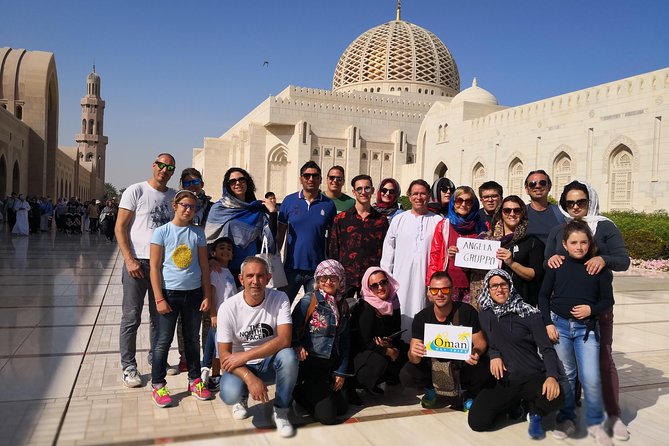
The Sultan Qaboos Grand Mosque is the tour’s biggest sight, and it deserves the generous time allowance. From the outside, its scale is imposing. Inside, the main prayer hall is the reason to pay close attention rather than rush through with a few photographs.
The mosque was commissioned as a gift to Oman to mark Sultan Qaboos’s 30th year of rule and opened on May 4, 2001. The complex occupies a huge site of about 416,000 square meters, with the mosque complex itself covering about 40,000 square meters.
The detail that catches most people is the Persian carpet in the main prayer hall. It measures roughly 70 by 60 meters and is described as the second-largest Iranian hand-knotted rug in the world. About 600 women spent four years weaving it. That fact gives the grand room a human scale: behind the vast dimensions is years of patient work.
Plan your clothing before leaving the ship. Shoulders and knees must be covered for both men and women, and entry can be refused if you arrive in shorts or a sleeveless top. The stated dress code is formal, so modest, loose clothing is the safest choice.
One important price point needs checking. The itinerary information describes the mosque stop as including admission, yet the exclusions list a $25 Grand Mosque entrance fee. Because those two details conflict, ask the operator whether the $25 is already covered in your booking. Do not assume it is.
The mosque is also the most time-sensitive stop. If you want to study the architecture, hear the guide’s explanation, and take photographs where allowed, the two-hour visit is useful. If you prefer a quick overview, it may feel long compared with the shorter photo stops later.
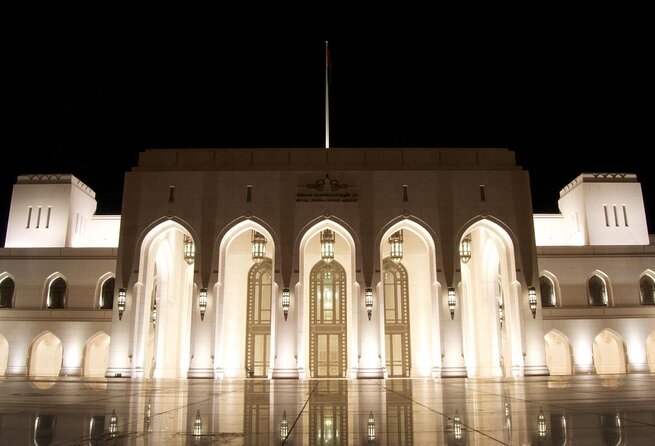
The Royal Opera House, a polished exterior view
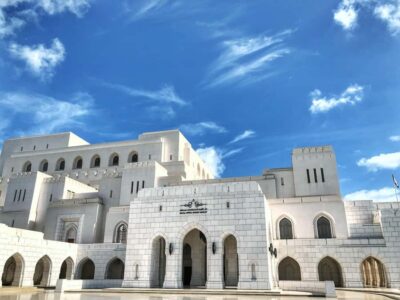
The Royal Opera House Muscat gives you a different side of the city. The Grand Mosque looks to religious architecture, while the opera house represents Oman’s modern cultural life and royal patronage.
The building was ordered by Sultan Qaboos and uses a contemporary Omani architectural style. Its complex includes a concert theater, auditorium, formal gardens, a cultural market, restaurants, and an arts center for musical, theatrical, and operatic performances. The main venue can hold up to 1,100 people.
This tour allows about 30 minutes here, and the stop is described as a photo stop. That means you should not expect a full performance, backstage visit, or extended interior tour unless the operator confirms otherwise.
The supplied price information also lists a €10 Royal Opera House admission fee as not included. Since the stop is presented as an exterior photo stop, check whether that charge applies only if you choose to enter. This is another place where a quick pre-booking question can prevent an unwelcome surprise.
I like this stop because it keeps the day from becoming only mosques, forts, and market stalls. You get a glimpse of the cultural institutions that shape present-day Muscat, even if you do not have time to explore the full complex.
Mutrah Souq, where shopping becomes part of the sightseeing
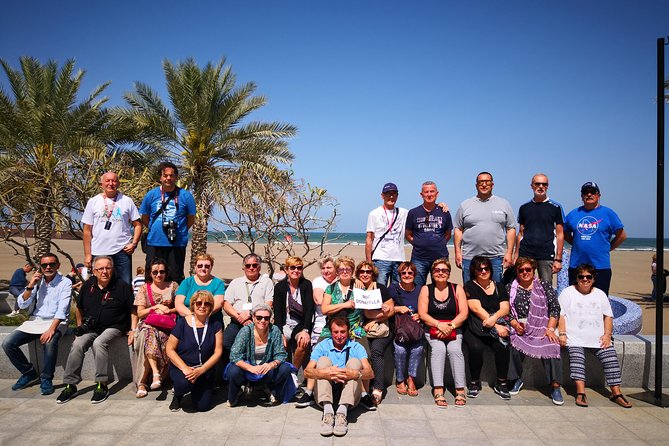
Mutrah Souq is the most active stop on the route. You are not simply looking at a monument. You can walk inside, browse shopfronts, and decide if any Omani goods deserve space in your luggage.
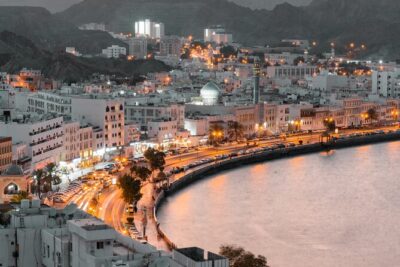
The souq sits near the Mutrah Corniche under modern timber roofing. Inside, you might find silver jewelry, handicrafts, wooden work, textiles, hardware, Omani and Indian artifacts, and antiques. The market keeps the close-packed feel of a traditional Arab bazaar, although the roof and shop layout make it more manageable than an open-air maze.
You have about an hour here. That is enough for a walk through the main lanes and some browsing, but it is not a long shopping expedition. If you want to buy something, identify your priorities early. Silver jewelry and handicrafts can take time to compare, while a quick visit may be better spent getting a sense of the market’s atmosphere.
Bargaining is expected, although discounts are often modest. Cards are generally accepted in most shops, but cash may help you negotiate a better price. The main entrance is by the Corniche, opposite the pedestrian traffic lights.
The souq is also where the tour feels least like a checklist. The mosque and palace are formal national symbols. At Mutrah, you get a closer look at commerce and crafts. You can ask the guide about items, prices, or local customs, then choose how much time to spend shopping.
Same coast and mountains, a completely different day out:
- Muscat: Daymaniat Islands Snorkeling Trip with Brunch
★ 4.7 · 2,317 reviews - From Muscat: Wadi Shab & Bimmah Sinkhole Full-Day Tour
★ 4.8 · 1,862 reviews - Muscat: Wahiba Desert and Wadi Bani Khalid Guided Group Tour
★ 4.8 · 820 reviews - Muscat: Half-Day Sightseeing Essentials Tour and Audio Guide
★ 4.2 · 598 reviews
Al-Alam Palace and the two Portuguese forts
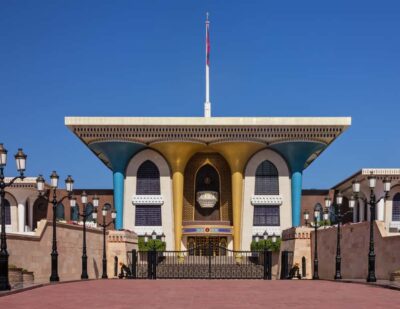
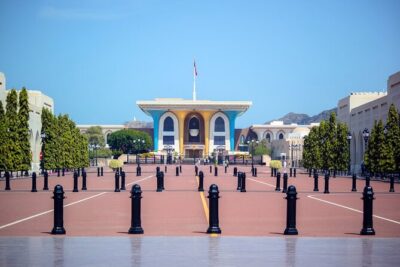
After the souq, the route turns toward the old harbor area and the royal palace. Al-Alam Palace is easy to recognize, with its gold and blue facade. The present building was rebuilt as a royal residence in 1972, though the site has a much older connection to Oman’s ruling family.
The palace is one of six royal residences of the monarch and is used for official functions. The inner grounds are off-limits, but you can stop near the gates for photographs. Do not expect a palace interior visit.
Al-Alam Palace is framed by Al Mirani and Al Jalali forts, both built by the Portuguese in the 16th century. Their position on either side of the palace makes the stop especially photogenic, but the forts are not ordinary open monuments.
Al Mirani Fort looks over the Gulf of Oman and once helped protect Muscat’s port. It is closed to the public, so you view it from outside. Al Jalali Fort, also called Ash Sharqiya Fort, is likewise accessible only by permit. It once served as a prison and has since been converted into a private heritage museum.
The forts are best understood as part of the harbor setting rather than as separate tours. You can see their defensive position and take in the relationship between the palace, the water, and the old city, but you will not climb through their rooms or inspect the displays inside.
The guide makes a real difference
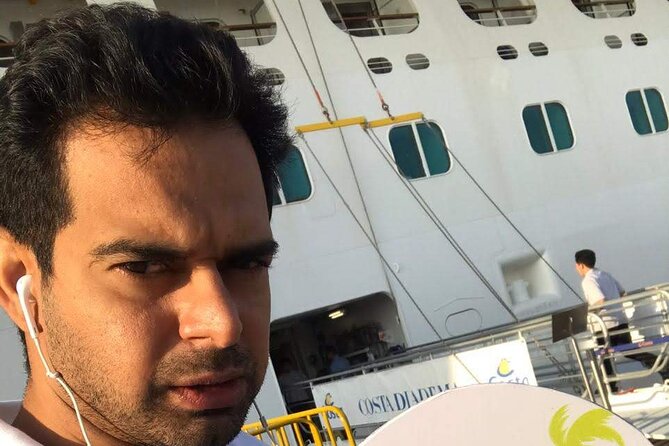
The operator provides a professional guide, and the guide may also drive the air-conditioned vehicle. Names appearing in the supplied material include Mutasem and Riz, both associated with especially warm, personal service.
A good guide matters most at the Grand Mosque and around the palace and forts. The buildings are impressive on their own, but context helps you understand why the Portuguese forts sit beside a modern royal residence and why the mosque occupies such a large site.
The available feedback is not uniformly perfect. One positive account describes a guide taking a parent and daughter to the mosque and giving an especially useful explanation. Another notes that the guide was friendly and completed the planned route but spoke too quickly and not always clearly.
That is a fair caution for a multilingual tour. If you have trouble following the commentary, ask the guide to slow down or repeat a point. You can also request the key information at each stop before moving on. The tour operates with a multilingual guide when needed, so communication may not be identical from one departure to the next.
Timing, comfort, and the fine print
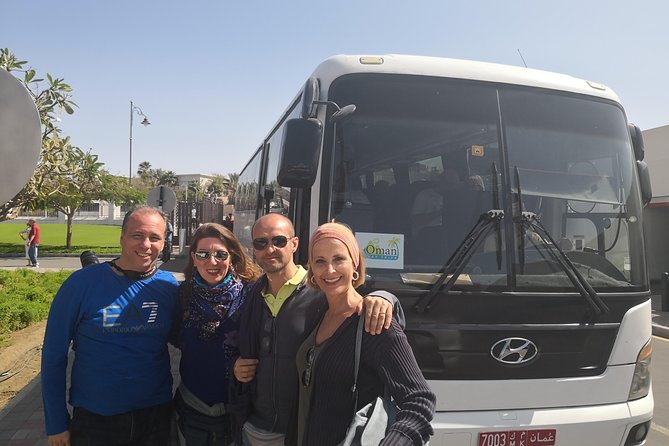
The air-conditioned vehicle is a practical feature in Muscat, especially when you are moving between outdoor photo stops and the more formal mosque visit. Two bottles of water per person are included, which is useful on a short sightseeing route.
The excursion operates in all weather conditions, although a poor-weather cancellation can lead to a different date or a full refund. Since this is tied to a cruise port, ask how the operator handles any weather-related change against your ship’s departure time.
The booking requires at least two people, and the listed minimum age is 18. At the same time, the details say a child rate applies when sharing with two paying adults and that children must be accompanied by an adult. Those conditions do not read perfectly together, so families should confirm the age rules before booking.
Lunch is not included. Food and drinks are also excluded unless specified, and transportation to and from attractions is listed as not included, despite the tour including transport in an air-conditioned vehicle between the scheduled stops. I would read this as no separate transfer beyond the arranged excursion, but I would still ask the operator to clarify.
Cancellation is free up to 24 hours before the start time for a full refund. Changes or cancellations inside that window are not accepted for a refund. Confirmation is normally immediate, but bookings made within four hours of departure are subject to availability.
Who should book this Muscat excursion?
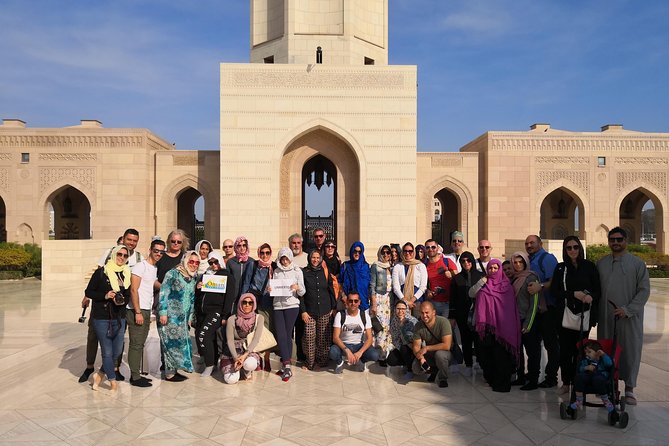
I would choose this tour if you have only a few hours in Muscat and want the city’s main sights arranged in a sensible order. It suits first-time visitors who want the Grand Mosque, Mutrah Souq, royal palace, forts, and opera house without arranging separate taxis.
It is also a good fit if you value a guide’s explanation more than extended free time. The route gives you structure, but you will not have much room to linger at every stop. The palace and forts are primarily viewing points, and the opera house is mainly an exterior stop.
You may want a different arrangement if your priority is shopping, museum interiors, or a long visit inside the Royal Opera House and forts. Those sites are included as brief stops or outside views, not full admissions.
Most importantly, confirm the entrance fees before booking. The $58.30 price looks fair when it covers the guide, vehicle, water, and a well-timed port route. It becomes less attractive if you must add $25 for the mosque and €10 for the opera house, especially if your main interest is simply seeing the exteriors.
Should you book it?
Book this half-day Muscat tour if you want an efficient introduction to Oman from your cruise ship, especially for the Grand Mosque and Mutrah Souq. The mix of modern architecture, royal landmarks, old forts, and market shopping gives you a clear sense of Muscat in a short morning or afternoon.
Before you commit, get written confirmation about the mosque admission, Royal Opera House entry, group size, and the exact transportation arrangement. If those details are clear and your clothing meets the mosque rules, this is a practical, good-value way to see the city without risking a late return to the ship.
FAQ
Where does the Muscat city tour start and end?
The tour starts at As Sultan Qaboos Port in Muscat and ends back at the same meeting point.
How long does the excursion last?
The approximate duration is three to four hours.
Is pickup available for cruise passengers?
Yes. Pickup is offered, and cruise passengers must provide their ship name, docking time, disembarkation time, and re-boarding time when booking.
Is the Sultan Qaboos Grand Mosque entrance included?
The supplied details conflict. The mosque stop is marked as having admission included, but the exclusions list a $25 entrance fee. Confirm the current admission arrangement with the operator before booking.
What clothing is required?
You must follow a formal dress code at places of worship and selected museums. Both men and women must cover their shoulders and knees, and entry may be refused if you wear shorts or sleeveless tops.
Are the Royal Opera House and forts open for visits?
The Royal Opera House is listed as a photo stop, with a €10 admission fee noted separately. Al Mirani Fort and Al Jalali Fort are viewed from outside, and entry to Al Jalali requires a permit.
What is included in the price?
A professional guide, an air-conditioned vehicle, local taxes, and two bottles of water per person are included.
Can I cancel for a full refund?
Yes, if you cancel at least 24 hours before the experience start time. Cancellations made less than 24 hours in advance are not refunded.
Just added around Muscat
- Wadi Shab &Bimmah Sinkhole &Heart shaped Cave &Pebble Beach★ 5.0 · 5 reviews
- Wahiba Sands and Wadi Bani Khalid Full-Day Tour from Muscat★ 4.6 · 3 reviews
- Try scuba Diving Tours To Daymaniyat Islands.★ 5.0 · 12 reviews
- Wahiba Sands&Wadi Bani Khalid desert Safari(Muscat tours)★ 4.5 · 6 reviews
- From Muscat Wadi Shab and Bimmah Sinkhole Tour★ 5.0 · 6 reviews
- Watching Sunrise in Wahiba Sand Desert – Early Morning Tour★ 5.0 · 7 reviews
- Wahiba Sands and Desert Safari from Muscat★ 5.0 · 3 reviews
- Wahiba Sands&Wadi Bani Khalid desert Safari(Muscat tours) : Private tours★ 4.5 · 6 reviews
City Tours, compared.
Half-Day Private Muscat City Tour – Top Landmarks in Just 4 Hours
Read our review →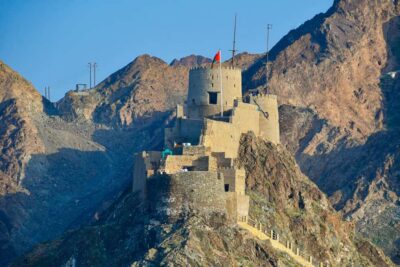

Half-Day Private Muscat City Tour- with a local guide
Read our review →Browse the lists this tour appears in