
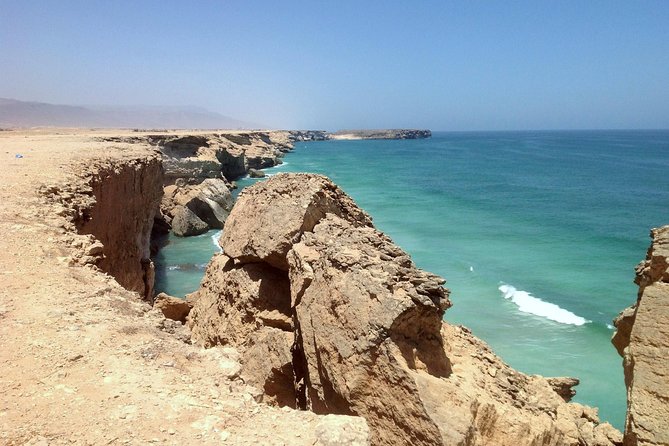
Reviewed · SAFARI
Jebel Safari – Tour della montagna
The best part of this Salalah day trip is the sharp change in scenery. You begin among old homes and an ancient spice port, climb into the high Jebel Samhan mountains, then descend through a baobab forest before reaching the fishing town of Mirbat. It is a big day, but it gives you a much wider look at Dhofar than a short city tour.
I like the mix of Omani culture and mountain scenery, especially the visit to Taqa’s old governor’s house and the ruins of Sumhurram beside Khor Rori lagoon. I also like the private format, which gives your group room to pause, take an easy walk, or accept extra stops if time allows.
The main drawback is the pace. Eight hours on mountain roads, with several stops packed into one day, may feel long if you prefer slow sightseeing. The price of $502.57 is also much easier to justify for four people sharing the vehicle than for one or two.
Key points to know before you book
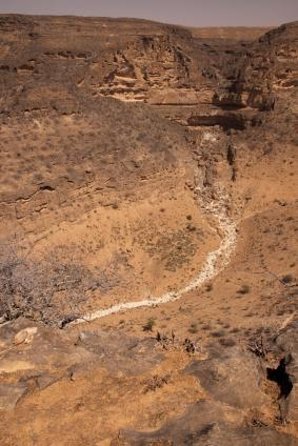
- Ancient Taqa and Sumhurram: See a traditional Omani home, a coastal lagoon, and the remains of a port once tied to Indian Ocean spice trade.
- Jebel Samhan’s great heights: Visit Tawi Ateer, also called the Bird’s Well, and a much larger sinkhole with desert rose and dragon blood trees.
- Private group of up to four: Your party travels alone, making the day more flexible than a large coach tour.
- Arabic-style picnic lunch: Lunch is served at the highest panoramic point, near the start of the Arabian leopard reserve.
- Baobabs and dhows: Wadi Hinna brings a striking baobab forest, while Mirbat offers a look at traditional Indian Ocean sailing boats.
- Guide support: Salim has led this mountain route, and Geraldina can be contacted in Italian for arrangements.
From Taqa’s old house to the Khor Rori lagoon
Your morning begins in Taqa, a town known here for its old governor’s house. Entering the building gives you a useful first look at domestic Omani architecture rather than only seeing forts and monuments from the outside.
The appeal is modest and direct. You get to see how a traditional home was arranged and how local authority once operated in a coastal town. This is not a long museum visit, so it works well as an opening stop before the road turns toward the mountains.
Next comes Khor Rori, a broad lagoon with a calmer feel than the open coast. The water and surrounding terrain create a good pause before the archaeological site of Sumhurram, which lies beside the lagoon.
Sumhurram was a port connected with the kingdom of Hadramout and the spice trade across the Indian Ocean. That setting helps explain why Dhofar mattered far beyond southern Oman. Frankincense and other valuable goods moved through this part of the coast, linking Arabia with ports around the Indian Ocean.
I like this pairing because the lagoon gives the ruins a strong sense of place. You are not just looking at old stone walls in isolation. You can see why a port was built here and how protected water could support trade.
The site also gives the tour a welcome historical backbone. After this stop, the day is not only about dramatic views. You have already seen how coastal settlements, trade, and traditional homes fit into Dhofar’s story.
A few more Salalah trips to weigh up
- East Salalah Mountain Safari, Wadi Darbat, Beach, Camels, Dunes
★ 5.0 · 206 reviews - Mountain Safari Private Tour
★ 5.0 · 105 reviews - Sunset Desert Safari Salalah Tour in Rub Al Khali – Empty Quarter
★ 5.0 · 91 reviews
Climbing toward Jebel Samhan
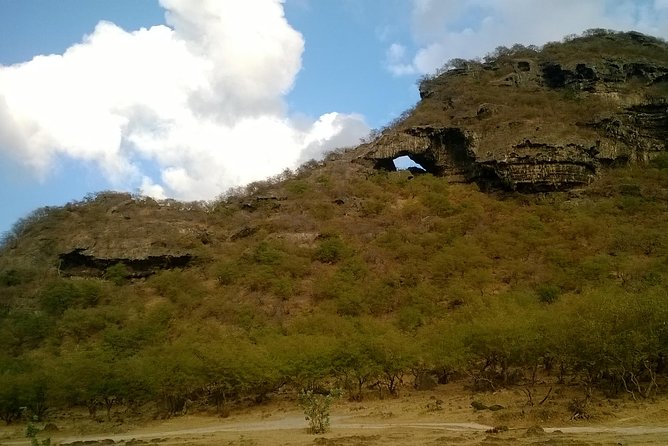
From the coast, the route heads upward into the Jebel Samhan mountains. This is where the tour changes character. The air, road, and views become more open, and the main focus shifts from buildings and ruins to cliffs, sinkholes, and unusual plant life.
The tour reaches the highest mountain area in the region and continues toward a panoramic point near the beginning of the Arabian leopard national reserve. The reserve is an important detail, even though the tour does not promise a leopard sighting. You are seeing the edge of protected high-country habitat, not joining a wildlife safari with guaranteed animals.
The drive itself is part of the experience, but it may not suit anyone troubled by mountain roads. The route includes considerable elevation and several scenic stops. If you are sensitive to long drives or changes in height, ask about the road conditions and timing before booking.
The private vehicle helps here. With only your group of up to four, you can ask for a short pause when a view catches your eye. The guide can also make additions when time allows, as happened on a similar day led by Salim. That flexibility is one of the strongest reasons to choose this over a fixed group outing.
Tawi Ateer, the Bird’s Well
One of the main mountain stops is Tawi Ateer, known as the Bird’s Well. It is a major sinkhole, and the scale becomes clear only when you reach its edge and look down into the hollow.
The name points to the birdlife associated with the place, but the attraction is also geological. The opening cuts sharply into the high mountain terrain, creating a dramatic change from the broad coastal views earlier in the morning.
This stop is suitable for an easy walk rather than a demanding trek, based on the route described by the guide. Still, you should take care near any exposed edge and follow local instructions. The information provided does not promise railings, formal trails, or a particular level of protection, so comfortable footwear and sensible caution are wise.
The stop is short enough to fit into a full day, yet memorable enough to give the mountain section a clear focus. You get a strong visual contrast between the sinkhole’s depth and the open high plateau around it.
The larger sinkhole and Dhofar’s strange trees
The route then reaches what is described as the second-largest sinkhole on earth. The exact ranking is not explained, but the site is clearly one of the day’s headline views. Its size gives you another chance to see how the Jebel Samhan rock has been shaped into deep hollows.
Look around the rim and slopes for desert rose and dragon blood trees. These plants give the mountains a character that is easy to miss if you think of Oman only as sand and bare rock.
The desert rose is especially notable for its swollen, sculptural form. Dragon blood trees add another unusual shape and color to the high-country setting. The tour does not promise a botanical talk, so your guide’s comments will matter if you want more context about these species.
This is one point where patience pays. Take time to look beyond the central drop. The trees and smaller details often make the stop more rewarding than a quick photograph at the edge.
Same coast and mountains, a completely different day out:
- Salalah: Wadi Darbat, Jabal Samhan, Baobab, Mirbat Sand Dune
★ 4.6 · 178 reviews - Salalah: Sunset Desert Safari – Rub Al Khali – Empty Quarter
★ 4.6 · 79 reviews - West Salalah Tour – Caribbean of Orient – Fazayah Beach with City
★ 5.0 · 74 reviews - Salalah City Tour: Discover the Best of Oman’s Coastal Gem
★ 4.8 · 58 reviews
Lunch at the highest panoramic point
Near the highest panoramic point, the group stops for a picnic lunch. The meal is described as Arabic-style, adding a local touch to a day otherwise built around roads and viewpoints.
The setting is part of the value. You eat near the point where the Arabian leopard reserve begins, with the mountain country spread around you. The information does not specify the exact menu, drinks, or seating, so do not book this expecting a restaurant meal or a guaranteed choice of dishes.
I like having lunch here because it breaks up the driving at the right moment. The day has climbed steadily, and a meal gives you time to rest before the descent through Wadi Hinna.
If food matters to you, ask the operator about dietary needs when booking. The tour details confirm a picnic, but they do not list vegetarian, vegan, allergy-friendly, or other menu options.
Wadi Hinna and the baobab forest
The return route descends through Wadi Hinna. A wadi can mean a valley or dry river channel, and here it leads to one of the tour’s most unusual natural sights: a forest of baobab trees.
Baobabs are not the first trees most people expect to see in southern Oman. Their thick trunks and strange silhouettes make this stop feel very different from the sinkholes above. It is also a pleasant change in scale. The high points ask you to look outward, while the baobabs reward you for stopping and studying individual trees.
The tour does not state how long you spend in the forest, but the guide can likely suggest the best place for a short walk or photographs within the day’s schedule. Since the overall route is full, keep your expectations realistic. This is a scenic stop, not a long forest hike.
One useful feature of the private format is the chance to discuss what you are seeing. On an easy day, Salim has added stops based on the time available. That does not mean every group receives the same additions, but it suggests some room for practical judgment during the drive.
Mirbat, fishing boats, and the Indian Ocean
The final major stop is Mirbat, a coastal town where fishermen still sail traditional dhow boats. These wooden boats are closely tied to the history of the Indian Ocean, and seeing them gives the day a strong return to the sea.
Mirbat is not presented as a long walking tour or a full harbor program. Instead, it works as a final glimpse of living maritime tradition after the archaeological port at Sumhurram. At Sumhurram, you see a former trade center. In Mirbat, you may see the type of seafaring tradition that keeps the coast connected to its past.
That contrast is one of the tour’s smartest choices. You start with an old home and ancient commerce, travel through high protected mountains, then finish with working coastal culture. The route feels varied rather than repetitive.
The amount of activity in Mirbat will depend on timing. After an eight-hour day, you may be ready for the drive back to Salalah. If the boats are your main interest, tell the operator before departure so the schedule can give this stop the attention it deserves.
Is $502.57 good value?
The listed price is $502.57 per group of up to four people. That makes the arithmetic important. Four people sharing the cost pay about $125.64 each. For two people, the effective price is about $251.29 each, and for one person it is the full group rate.
For a private eight-hour trip with pickup offered, this can be reasonable for a small group that wants a broad route without arranging several separate visits. You are paying for a full day of transport, a private guide, access to a carefully linked set of places, and the convenience of returning to Salalah.
The value is strongest if you care about variety. In one outing, you see a traditional home, lagoon, archaeological port, sinkholes, rare-looking trees, a protected mountain area, baobabs, and dhows. Booking separate transport for all of that would be awkward.
The value is weaker if you only want a mountain viewpoint. In that case, a shorter Jebel Samhan outing might suit you better, though no alternative price is provided here. This tour makes sense when you want the coast, history, mountains, and Mirbat in one day.
Guides, language, and the private format
Salim is the guide associated with this route, and he has been praised for patience, hospitality, and making the day easy to manage. An Italian-speaking contact, Geraldina, is available for arrangements, which may help if you prefer to organize the trip in Italian.
The private setup is especially useful for families, couples, or a group of friends. Only your party participates, and the capacity is limited to four people. You avoid being tied to a large group’s pace, though the route itself still has a lot of ground to cover.
The day has also been described as including an easy trek, an Arabic-style lunch, and extra stops selected according to available time. Treat those additions as possible rather than guaranteed. The core stops are the parts you should use to judge the booking.
Most people can participate, and service animals are allowed. The supplied details do not describe wheelchair access, trail surfaces, vehicle type, child equipment, or exact walking distances. Ask the provider about those points if they affect your decision.
Who should book this mountain tour?
I would choose this tour if you have one full day in Salalah and want to connect several sides of Dhofar. It suits you especially well if you enjoy a mix of archaeology, mountain views, unusual trees, and traditional coastal life.
It is also a good match for a small private group that values flexibility. You can use the guide’s local judgment to decide how long to linger at a viewpoint or whether an extra stop fits the schedule.
I would think twice if you dislike long drives, mountain roads, or tightly packed sightseeing days. The route is broad by design. You will not spend half a day at one archaeological site or take a long walk through the mountains.
Bring practical day-trip basics: comfortable walking shoes, sun protection, and water. The tour includes a picnic lunch, but the provided details do not confirm every drink or snack, so ask what is supplied if you need something specific.
Should you book Jebel Safari?
Book it if you want one private day that links Salalah’s coast, history, high mountains, and baobabs. The strongest features are the varied route, the striking sinkholes, the Arabic-style picnic, and the chance to travel with a guide such as Salim rather than follow a large group.
Skip it if your priority is a slow, single-site visit or if the full $502.57 price is too high for your party size. For four people, the cost is easier to defend. For one person, it is a serious spend.
The cancellation terms are forgiving if your plans are uncertain: you can receive a full refund when canceling at least 24 hours before the start time. Changes or cancellations made inside that window are not accepted for a refund.
FAQ
Where does the Jebel Safari take place?
The tour begins in Salalah, Oman, and visits Taqa, Khor Rori, Sumhurram, the Jebel Samhan mountain area, Wadi Hinna, and Mirbat.
How long does the tour last?
The experience lasts approximately eight hours.
How much does the tour cost?
The price is $502.57 per group of up to four people.
Is this a private tour?
Yes. Only your group participates, and the group can include up to four people.
Is pickup available?
Pickup is offered. The provided details do not specify the exact pickup points or times, so confirm those when booking.
What are the main historical stops?
You visit the old governor’s house in Taqa and Sumhurram, an archaeological port connected with the kingdom of Hadramout and Indian Ocean spice trade.
Which natural sights are included?
The route includes Khor Rori lagoon, Tawi Ateer sinkhole, a second major sinkhole, desert rose and dragon blood trees, the Jebel Samhan high point, and the baobab forest in Wadi Hinna.
Is lunch included?
A picnic lunch is included at the highest panoramic point. The meal is described as Arabic-style, but the exact menu is not provided.
Can I cancel for a full refund?
Yes. You must cancel at least 24 hours before the experience starts for a full refund. Cancellations or changes made less than 24 hours before the start time are not accepted for a refund.
Just added around Salalah
- West of Salalah private tour – fascinating mountains and beaches★ 5.0 · 9 reviews
- West Salalah Beaches and Blowholes★ 5.0 · 7 reviews
- Where Sea Meets Rock: A Scenic Journey to West Salalah’s Shores★ 5.0 · 5 reviews
- Private tour – Empty Quarter desert adventure – Wadi Dawka + Ubar★ 5.0 · 5 reviews
- West Salalah Tour by VisitSalalah★ 5.0 · 6 reviews
- Salalah City Tour: Discover Salalahs Treasures with a Local Guide★ 5.0 · 4 reviews
- Full-Day Private Salalah West Tour with Lunch★ 5.0 · 12 reviews
- Explore Samhan Mountain – Half-Day Getaway with Lunch Included.★ 5.0 · 10 reviews
Safari, compared.

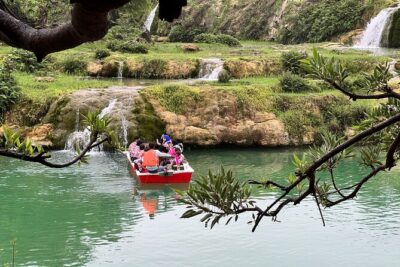
East Salalah Mountain Safari, Wadi Darbat, Beach, Camels, Dunes
Read our review →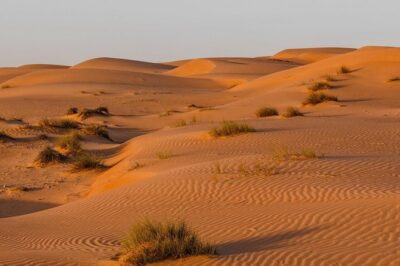
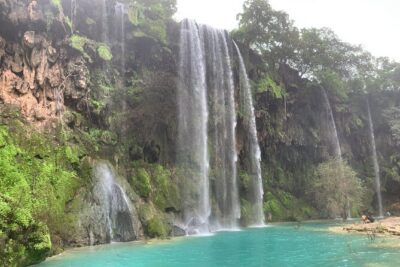
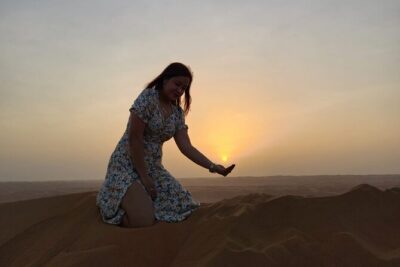

Sunset desert safari tour in Salalah(private tour)
Read our review →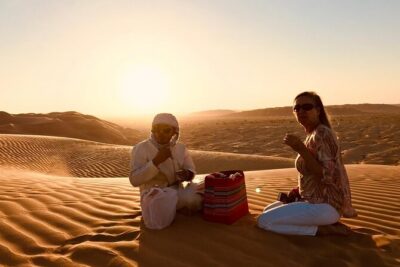
Desert Safari, Sunset & Sand Bashing (Rub Al Khali Desert)
Read our review →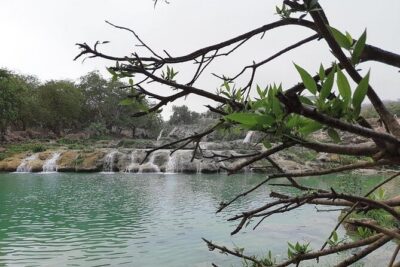
Browse the lists this tour appears in